

The Short Answer: Most Oral Antibiotics Require a Prescription
Can you get antibiotics over the counter? In most cases, no. In the United States, almost all oral antibiotics require a prescription from a licensed provider. That includes common medications such as amoxicillin. You can't walk into a pharmacy and pick up amoxicillin the same way you would ibuprofen or other over-the-counter medications.
If you're dealing with a sore throat, sinus infection, urinary tract infection (UTI), or another bacterial infection, you still have options. With 24HrDOC, you can complete a quick assessment from the comfort of home. A licensed provider reviews your information, and if appropriate, a prescription can be sent electronically to your preferred pharmacy for pickup. No insurance needed. Starting at just $39.99.
The prescription-only rule exists for a reason. Antibiotics are powerful medications, and using the wrong antibiotic or taking antibiotics when they aren't needed can contribute to side effects, treatment delays, and antibiotic resistance. Requiring a prescription helps ensure patients receive the most appropriate treatment for their condition.
A few states allow pharmacists to provide antibiotics for certain conditions, such as strep throat or uncomplicated urinary tract infections, under specific protocols. However, these programs are limited and do not change the general rule that most oral antibiotics are not available over the counter.
What Antibiotics Are Available Without a Prescription?
While most antibiotics require a prescription, a few topical antibiotic products are available without one. Products such as bacitracin, Neosporin, and Polysporin are commonly used on minor cuts, scrapes, and burns to help prevent infection. However, these products are designed for external use only and are not a substitute for oral antibiotics. They will not treat bacterial infections such as strep throat, sinus infections, urinary tract infections (UTIs), or dental infections, which may require evaluation by a licensed provider.
- Bacitracin: A single-antibiotic ointment used to prevent infection in small cuts, scrapes, and burns. It’s often the first line of defense for minor wounds and is safe for most skin types.
- Neosporin: This triple-antibiotic formula combines bacitracin, polymyxin B, and neomycin. It offers broader protection against surface bacteria and is commonly used for minor abrasions and shallow wounds.
- Polysporin: A double-antibiotic ointment that includes bacitracin and polymyxin B but excludes neomycin. It’s a good option for those with neomycin sensitivity or allergies.
Use these products only as directed, and avoid applying them to deep, infected, or puncture wounds.

How to Get Antibiotics Without an In-Person Visit
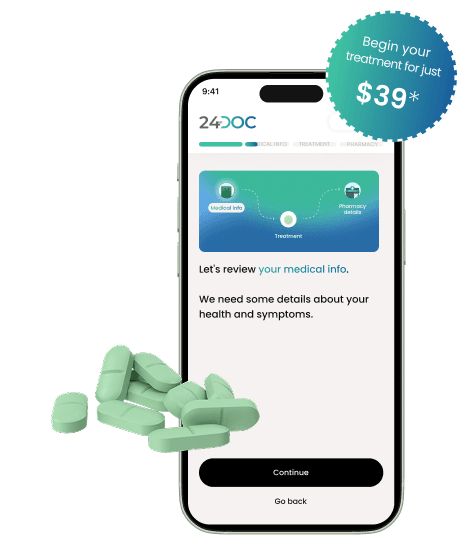
You don't need a waiting room to get the care you need. With 24HrDOC, you can complete a quick assessment from the comfort of home and have your information reviewed by a licensed provider. If appropriate, a prescription can be sent electronically to your preferred pharmacy for pickup.
Here's how it works:
- Step 1: Complete a Quick Assessment. Answer a few simple guided questions about your symptoms and health history. It takes just a few minutes and can be completed from your phone, tablet, or computer.
- Step 2: Get Reviewed by a Licensed Provider. A licensed provider reviews your information and determines whether treatment is appropriate based on your symptoms and medical history. No insurance required.
- Step 3: Prescription Sent for Pickup. If approved, your prescription is sent electronically to your preferred pharmacy. In many cases, prescriptions are ready for pickup within hours.
24HrDOC provides online treatment for common conditions that may require antibiotics, including strep throat, sinus infections, urinary tract infections (UTIs), and certain skin infections. If you need ongoing medication management, you can also request a prescription refill online. Most patients complete their first step in under 3 minutes. No insurance needed. Starting at just $39.99. Get the care you need — fast.
When You Really Need Antibiotics: Common Conditions
Many people searching for over-the-counter antibiotics are trying to treat a specific infection. While most oral antibiotics require a prescription, a licensed provider can determine whether antibiotic treatment is appropriate for your symptoms.
Strep throat: A bacterial infection caused by Group A Streptococcus. Common symptoms include severe throat pain, fever, and swollen lymph nodes. Learn more about strep throat treatment →
Urinary tract infections (UTIs): Bacterial infections that may cause burning during urination, frequent urination, pelvic discomfort, or an urgent need to urinate. Learn more about UTI treatment →
Sinus infections: Some sinus infections are caused by bacteria and may require treatment after provider evaluation. Symptoms can include facial pressure, nasal congestion, and thick nasal discharge. Learn more about sinus infection treatment →
Dental infections: Infections involving a tooth or surrounding gum tissue can become serious if left untreated. Antibiotics may be prescribed in certain situations as part of treatment. Learn more about dental infection treatment →
If you're unsure whether your symptoms are caused by a bacterial infection, 24HrDOC can help. Complete a quick assessment, and a licensed provider will review your information to determine whether treatment is appropriate.
Natural Alternatives: What They Can and Can't Do
When prescription antibiotics aren't immediately accessible, some people look to natural remedies. Certain substances, including garlic, oregano oil, thyme oil, manuka honey, and myrrh, have demonstrated antibacterial properties in laboratory studies. However, it's important to understand that natural remedies are not a substitute for prescription antibiotics when a bacterial infection requires medical treatment.
Here’s a closer look at popular natural options:¹
- Thyme Essential Oil:Thyme essential oil has demonstrated strong antibacterial activity, particularly against hard-to-treat strains. It should always be diluted before skin use and is not safe for ingestion, especially for individuals with high blood pressure or thyroid concerns.
- Garlic: Garlic contains organosulfur compounds like allicin, which have shown antibacterial effects in lab studies and may support immune function. It’s generally safe in small amounts, but high doses or supplements may have negative side effects.
- Oregano Essential Oil: Oregano essential oil contains carvacrol, a compound linked to antimicrobial and anti-inflammatory effects, especially in topical and inhaled applications. It should never be used undiluted or taken internally, but may help with skin infections, sinus relief, or natural cleaning when properly diluted.
- Manuka Honey: Manuka honey has natural antibacterial properties due to its high sugar content, low pH, and hydrogen peroxide content, making it useful for treating minor wounds and burns.
- Myrrh Extract:Myrrh extract has been shown to fight various bacteria and fungi, including some that are commonly resistant to antibiotics. It’s generally safe in small doses, though ingesting large amounts or applying it to sensitive skin may cause side effects like digestive upset or rash.
These options may provide supportive care, but they are not a cure for bacterial infections such as strep throat, urinary tract infections (UTIs), sinus infections, or dental infections. If your symptoms are worsening, severe, or not improving, it's important to talk to a licensed provider. 24HrDOC can help you get the care you need from the comfort of home.
Common Antibiotic Myths Debunked
Misinformation about antibiotics is everywhere—and following the wrong advice can do more harm than good. Here are a few myths to avoid:
Myth 1: Natural remedies work the same as antibiotics
Garlic, honey, and tea tree oil may offer mild support, but they won’t treat bacterial infections that require prescription medication.
Myth 2: Leftover antibiotics are fine to use
Old prescriptions may be the wrong type or dose and often aren’t enough to treat a full infection. Using them can delay proper care and increase resistance.
Myth 3: All infections need antibiotics
Many common illnesses—like colds and most sore throats—are viral, not bacterial. Antibiotics won’t help and may cause side effects.
Myth 4: It’s safe to buy antibiotics online from other countries
Unregulated sources may sell counterfeit or unsafe drugs. Without medical oversight, the risks far outweigh any convenience.
Myth 5: You need insurance to afford antibiotics
Not true. With 24hrdoc, you can get fast, affordable care and an online antibiotic prescription at an affordable price without insurance.
Frequently Asked Questions
Can you get amoxicillin over the counter in the US?
No. Amoxicillin is a prescription-only antibiotic in the United States. You cannot legally purchase amoxicillin over the counter. If you think you may need treatment, a licensed provider can evaluate your symptoms and determine whether amoxicillin or another treatment is appropriate.
What antibiotics can I buy without a prescription?
In the United States, topical antibiotic ointments such as bacitracin, Neosporin, and Polysporin are available without a prescription. These products are intended for minor cuts, scrapes, and burns and do not treat internal bacterial infections.
Can telehealth prescribe antibiotics?
Yes. Licensed telehealth providers can evaluate your symptoms and prescribe antibiotics when appropriate. With 24HrDOC, a licensed provider reviews your information, and if approved, a prescription can be sent electronically to your preferred pharmacy for pickup.
What happens if I take antibiotics without a prescription?
Taking antibiotics without medical guidance can be risky. You may be treating the wrong condition, taking an incorrect dose, or using a medication that is not appropriate for your symptoms. Improper antibiotic use can also contribute to antibiotic resistance.
Are there OTC alternatives to amoxicillin?
There is no true over-the-counter equivalent to amoxicillin for treating bacterial infections. While some natural products, such as garlic and manuka honey, have been studied for antibacterial properties, they are not a substitute for prescription antibiotics when medical treatment is needed.
Get a Prescription Today — No Insurance, No Waiting Room
Getting the care you need shouldn't be complicated. With 24HrDOC, you can complete a quick assessment online and connect with a licensed provider from the comfort of home. If appropriate, a prescription can be sent electronically to your preferred pharmacy. No insurance needed. No hidden fees. Starting at just $39.99.
Most patients complete their first step in under 3 minutes. Get the care you need — fast.
[Start Treatment →]
Sources: 1. Healthline. What Are the Most Effective Natural Antibiotics?
24hrdoc is not a pharmacy. We do not carry or ship medicines. Online Doctor Prescriptions are sent electronically to your pharmacy after an online medical consultation. Similar to a doctor's office, our consultation fee does not include the cost of your medication
Share this article