


Sexually transmitted infections can present differently in women and men. Some symptoms overlap, while others are more specific. In many cases, infections may not cause noticeable symptoms at all, which can delay diagnosis and treatment.
Many people wonder if it is possible to have an infection without realizing it. The answer is yes. Some infections remain in the body without obvious changes, which is why routine testing plays an important role in sexual health. Services like 24hrdoc can help evaluate symptoms and guide next steps when concerns arise.
Why STD Symptoms Can Be Different in Women and Men
Differences in anatomy are one of the main reasons symptoms vary. Women have internal reproductive organs, which can allow infections to develop without visible signs. Men are more likely to notice external symptoms earlier in some cases.
Hormonal influences may also affect how symptoms appear. For example, vaginal discharge changes throughout the menstrual cycle, which can make abnormal changes harder to recognize.
Another key factor is the presence of asymptomatic STDs. Many infections are more likely to go unnoticed in women, increasing the risk of complications if left untreated.
Common STD Symptoms That Affect Both Men and Women
Some symptoms occur regardless of sex. Recognizing these early signs of STDs can help prompt timely testing and treatment.
Common symptoms include:¹
- Burning or pain during urination
- Unusual genital discharge
- Genital sores or blisters
- Itching or irritation in the genital area
These are considered general signs of STI infection, but they are not specific to one condition. Testing is required to confirm the cause.
STD Symptoms in Women
STD symptoms in women can be subtle and are sometimes mistaken for other conditions like yeast infections or urinary tract infections.
Common symptoms in women include:²
- Abnormal vaginal discharge
- Vaginal odor
- Pelvic or lower abdominal pain
- Pain during intercourse
- Bleeding between periods
- Burning during urination
- Genital itching or irritation
Some infections may progress without noticeable symptoms. When untreated, they can lead to complications such as pelvic inflammatory disease, infertility, and chronic pelvic pain.
Because of this, women are more likely to experience delayed diagnosis when infections are asymptomatic.
STD Symptoms in Men
STD symptoms in men are often easier to recognize in certain infections, though mild or absent symptoms are still possible.
Common symptoms in men include:³
- Penile discharge that may appear white, yellow, or green
- Burning sensation during urination
- Pain or swelling in the testicles
- Genital sores or blisters
- Itching or irritation around the penis
Even mild symptoms can indicate an infection that should be evaluated.
STD Symptoms in Women vs. Men
Comparing STD symptoms in women and men can help highlight key differences:²,³
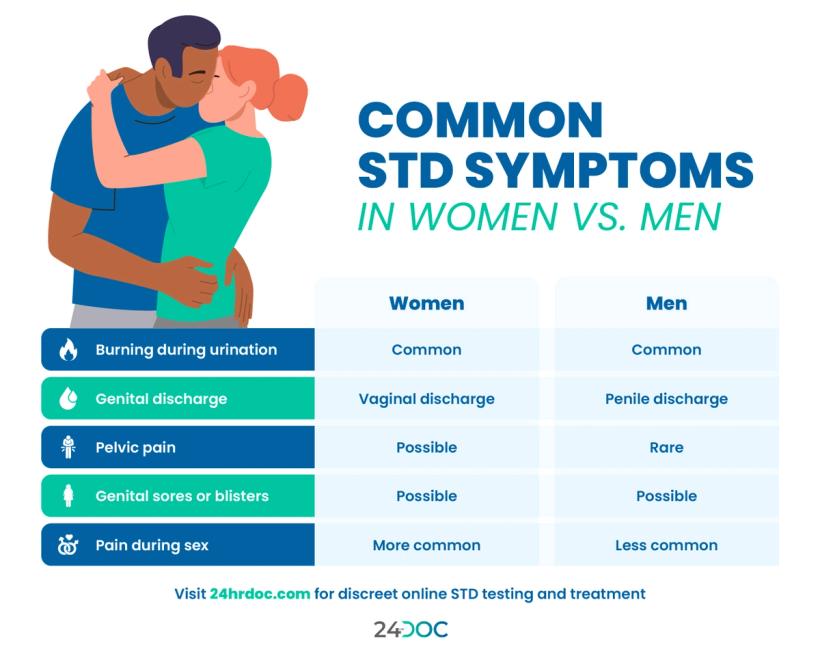
Many infections may cause no symptoms in either sex, which is why regular screening is recommended.
STDs That Often Affect Women and Men Differently
Certain infections tend to present differently based on anatomy and immune response.
Chlamydia
Chlamydia is frequently asymptomatic in women. When symptoms occur, they may be mild. Men are more likely to notice discharge or burning during urination.⁴
Gonorrhea
Women may have mild symptoms or none at all. Men often develop noticeable discharge and discomfort when urinating.⁴
Human Papillomavirus (HPV)
HPV often causes no symptoms in both sexes. Some strains can lead to genital warts, while others are associated with cervical cancer in women.³
Herpes (HSV)
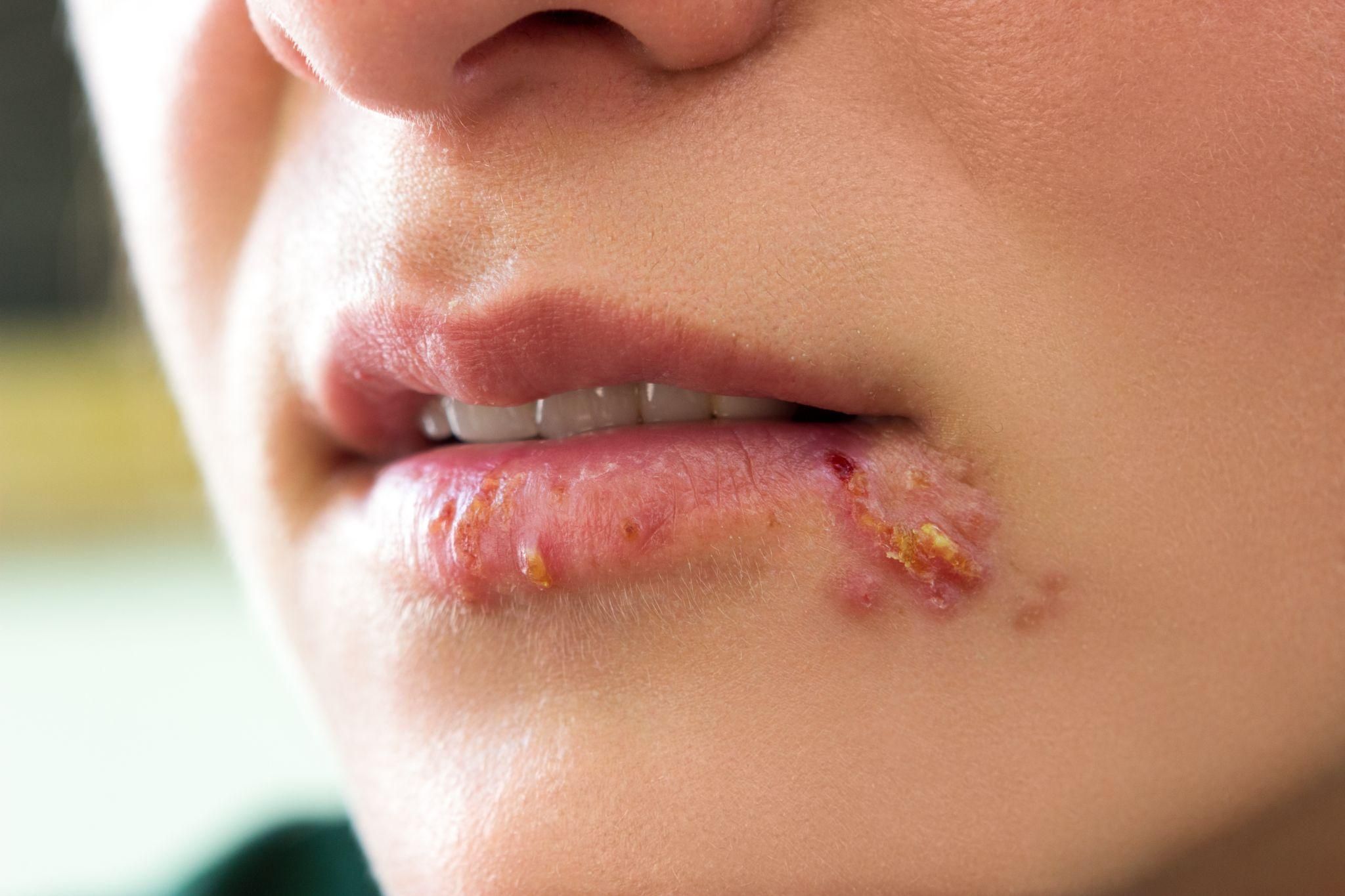
Herpes can cause painful blisters or sores. Some individuals have very mild symptoms or do not recognize outbreaks at all.³
When STD Symptoms Usually Appear
The timing of symptoms depends on the infection. This period is known as the incubation period.
Examples include:⁵
- Chlamydia: 2 to 3 weeks
- Gonorrhea: 2 to 30 days
- Herpes: 2 to 14 days
- HIV: 2 weeks for some
Symptoms may not appear at all, even when an infection is present. This makes testing important after potential exposure.
When You Should Get Tested for STDs
Testing is recommended in several situations, even without symptoms.
Consider getting tested if you:
- Have a new sexual partner
- Had unprotected sex
- Notice possible symptoms
- Have a partner diagnosed with an STD
- Are due for routine sexual health screening

Why Early STD Diagnosis Matters
Early diagnosis helps reduce the risk of long-term complications. Many infections are treatable, especially when identified early.
Untreated infections can lead to:
- Infertility
- Pelvic inflammatory disease
- Chronic pelvic pain
- Increased risk of HIV transmission
- Pregnancy complications
Prompt testing and treatment support better outcomes and reduce the risk of spreading infections to others.
Frequently Asked Questions
Do STD symptoms appear differently in men and women?
Yes, symptoms can vary based on anatomy. Some infections are more likely to cause noticeable symptoms in men, while women may have milder or no symptoms.
Can STD symptoms come and go?
Yes, some symptoms may appear intermittently or be mild enough to go unnoticed, especially in infections like herpes.
Do men show STD symptoms more than women?
Men and women can both develop STD symptoms, but symptoms are often more noticeable in men and more likely to go unnoticed in women.
Online STD Evaluation and Treatment With 24hrdoc
24hrdoc offers discreet, quick, and easy online STD testing and treatment support, allowing you to connect with a licensed provider from the comfort of your home.
If you are experiencing symptoms or have concerns about possible exposure, a provider can review your situation, recommend appropriate testing, and prescribe treatment when needed, all through a confidential and streamlined process designed to make getting care simple and accessible.
Sources:
- MedlinePlus. Sexually Transmitted Infections.
- Medical News Today. Common symptoms of STIs in those assigned female at birth.
- Medical News Today. Signs and symptoms of STIs in men.
- Verywell Health. Everyone Should Know About Asymptomatic STIs.
- Verywell Health. The Incubation Period of Common STIs.
Share this article