


Sinus pressure, congestion, and facial pain can interfere with daily life, making it harder to sleep, concentrate, or breathe comfortably. Because symptoms often overlap with a cold or seasonal allergies, many people are unsure whether they are dealing with simple congestion or a true sinus infection. Sinus infections are a common condition, but knowing when symptoms require medical attention and when they will resolve on their own is not always straightforward.
This guide explains what a sinus infection is, the difference between viral and bacterial causes, common symptoms and risk factors, and what to know about treating sinus infections safely and effectively. It also outlines available treatment options and when to seek medical care.
What Is a Sinus Infection?
A sinus infection, sometimes called sinusitis, is inflammation of the sinuses, the air-filled spaces behind the forehead, cheeks, and eyes.
When the sinus lining becomes swollen, mucus cannot drain properly, leading to pressure, pain, and possible infection. Sinus infections may be caused by viruses, bacteria, allergies, or structural issues inside the nose.1
Types of Sinus Infections
Sinus infections are categorized based on how long symptoms last and how frequently they occur. The duration and pattern of symptoms help determine the underlying cause and the most appropriate sinus infection treatment plan.
Acute Sinus Infections
Acute infections typically last fewer than 10 days and are most often triggered by a viral upper respiratory infection. In most cases, inflammation resolves on its own with supportive sinus infection care, and antibiotics are not necessary. If inflammation persists beyond 10 days or worsens after initial improvement, a bacterial infection may be considered and treatment adjusted accordingly.1
Chronic Sinus Infections
Chronic sinus infections last 12 weeks or longer despite treatment and are often driven by ongoing inflammation rather than infection alone. They may be associated with allergies, nasal polyps, asthma, immune system disorders, or structural nasal differences such as a deviated septum. Managing chronic sinus infections usually requires a more comprehensive sinus infection treatment strategy that addresses underlying inflammation and contributing conditions, and in some cases may involve specialist evaluation.1
Symptoms of a Sinus Infection
Recognizing the symptoms of a sinus infection early can help determine whether supportive care is appropriate or medical evaluation is needed. Symptoms may range from mild congestion to more intense facial discomfort.
Common symptoms include:1,2
- Nasal congestion
- Thick nasal discharge
- Sinus pressure and facial pain
- Headache
- Postnasal drip
- Bad breath
- Sore throat or cough
- Reduced sense of smell
Symptoms develop when inflammation blocks normal mucus drainage, allowing germs to multiply inside the sinuses.
Is a Sinus Infection Viral or Bacterial?
Most sinus infections are viral and improve within 7 to 10 days without antibiotics. A bacterial sinus infection may be suspected when symptoms last longer than 10 days and include a high fever that gets worse over time. Antibiotics for a sinus infection are only appropriate when bacterial infection is likely, since antibiotics do not treat viral illnesses.3
Sinus Infection Causes and Risk Factors
Sinus infections often follow another illness or irritation that affects the nasal passages. Inflammation narrows sinus openings and prevents proper drainage.
Common causes and risk factors include:1,2
- Viral upper respiratory infections
- Seasonal allergies
- Nasal polyps
- Smoking exposure
- Immune system disorders
- Bottle drinking while lying down or pacifier use
Treatment Options for Sinus Infections
Treatment for a sinus infection depends on the cause, duration, and severity of inflammation. The goal is to relieve symptoms, support sinus drainage, and treat bacterial infection when it is present.
1. Watchful Waiting
Most viral sinus infections improve within 7 to 10 days without prescription medication. Monitoring symptoms during this period helps determine if additional treatment is needed.
2. Over-the-Counter Symptom Relief
Pain relievers, saline nasal rinses, and short-term decongestants can reduce discomfort and congestion. These treatments focus on symptom management rather than eliminating infection.
3. Prescription Treatment
Sinus infection treatment may include nasal corticosteroid sprays to decrease inflammation. If a bacterial infection is suspected, antibiotics for a sinus infection may be prescribed according to clinical guidelines.1
4. Surgery
Surgery is reserved for chronic or recurrent sinus infections that do not respond to medical therapy. Procedures aim to improve sinus drainage or correct structural abnormalities contributing to persistent inflammation.1
Getting a Sinus Infection Diagnosis
Sinus infections are typically diagnosed based on your symptoms, how long they have lasted, and whether they have improved or worsened over time.
A provider may perform a physical examination to assess nasal swelling and drainage, and in chronic or complicated cases, may recommend nasal endoscopy or imaging such as a CT scan.1

Sinus Infection Prevention Strategies
While not all cases can be prevented, certain habits reduce your risk of developing sinus infections.
Helpful prevention strategies include:1,2
- Frequent handwashing
- Managing seasonal allergies
- Avoiding tobacco smoke
- Staying current with recommended vaccines
- Using clean humidifiers in dry environments
When to See a Doctor for a Sinus Infection
Most cases improve without complications, but medical evaluation is recommended if you experience:2
- Symptoms lasting longer than 10 days
- A fever that lasts longer than 3 or 4 days
- Symptoms that are very severe or painful
- You’ve had multiple sinus infections in a year
- Symptoms that worsen after initial improvement
Get Convenient Sinus Infection Treatment With 24hrdoc
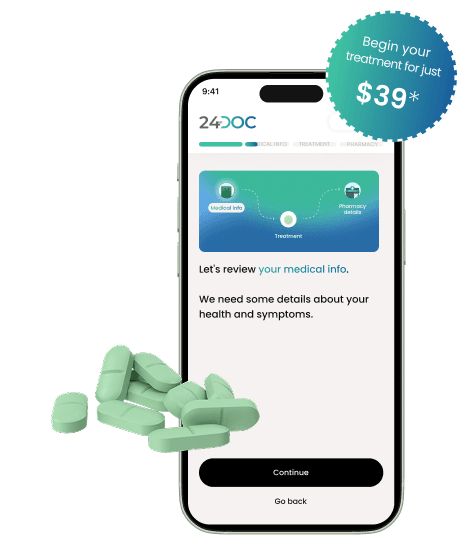
Ongoing congestion and facial discomfort should not interrupt your daily life. 24hrdoc provides accessible sinus infection treatment through secure telehealth visits, allowing you to receive evaluation and guidance from licensed medical providers without leaving home.
If your symptoms suggest you may need prescription treatment or antibiotics, you can start online sinus infection treatment today and get the care you need quickly and safely.
Frequently Asked Questions
Can a sinus infection go away on its own?
Yes. Most viral sinus infections improve without antibiotics. Supportive sinus infection care can ease symptoms while your body recovers.1
How long does a sinus infection last?
Acute sinus infections usually last fewer than 10 days. Chronic sinus infections last 12 weeks or longer and may require ongoing sinus infection treatment.1
Do sinus infections always need antibiotics?
No. Antibiotics for a sinus infection are only prescribed when a bacterial infection is suspected. Viral infections do not respond to antibiotics.1
Is sinusitis contagious?
The viruses that trigger many sinus infections can spread from person to person. The sinus inflammation itself is not contagious.1
Sources:
- WebMD. What Is Sinusitis?.
- CDC. Sinus Infection Basics.
Medical News Today. Bacterial vs. viral infections: What's the difference?.
Share to