


Oral Thrush Treatment
Fast, Private, Online
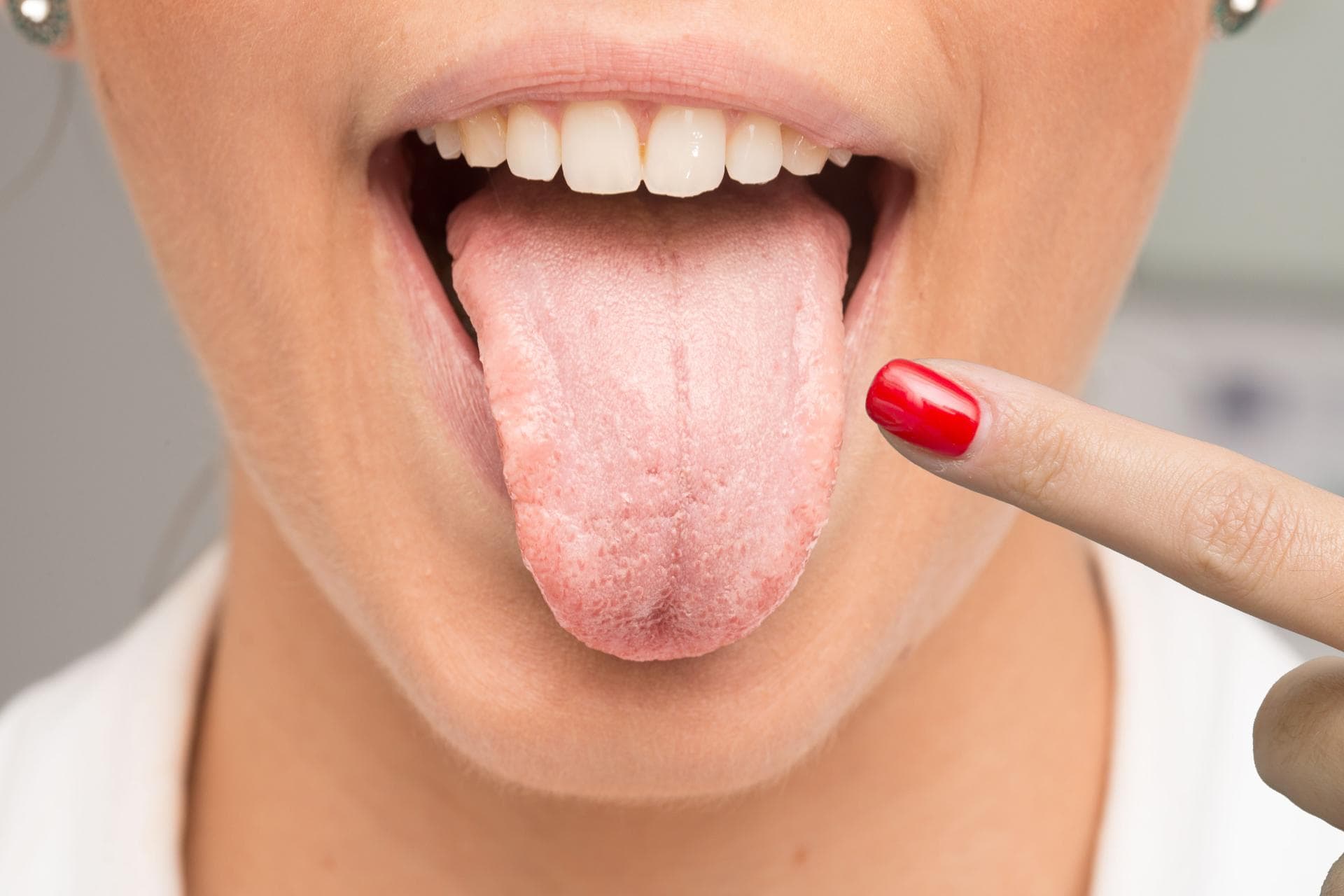
Oral thrush is a common fungal infection caused by an overgrowth of Candida yeast in the mouth, often appearing as creamy white patches on the tongue, gums, inner cheeks, or upper throat. While it can affect anyone, it is more common in older adults, denture wearers, people using antibiotics or corticosteroid inhalers, and those with weakened immune systems. With oral thrush treatment online, licensed providers can review your symptoms and determine whether oral thrush medication online is appropriate, making online oral thrush treatment easier and more accessible from home.
- Get your medication refill fast
- Professional care available 24/7
- Prescription within 45 minutes
at just
$39.99
5-minute assessment • No office visit required


How Oral Thrush Treatment Online Works
Getting oral thrush treatment online is simple, fast, and secure. Our licensed medical providers review your symptoms and, if appropriate, prescribe oral thrush medication online so you can begin treatment without an in-person appointment. Most consultations are reviewed within hours.

1. Tell Us About Your Symptoms
Fill out a short medical questionnaire describing your oral thrush symptoms, medical history, and any current medications. This helps determine whether online oral thrush treatment is the right option for you.
Fast online assessment in minutes
No office visit required
Clear and upfront pricing

2. Reviewed by a Licensed Provider
A healthcare provider carefully reviews your information to confirm your diagnosis and decide if oral thrush treatment is medically appropriate.
Reviewed by licensed professionals
Personalized treatment recommendations
Safe and confidential process
3. Prescription Sent to Your Pharmacy
If approved, your oral thrush medication online prescription is sent directly to your preferred pharmacy for fast pickup, so you can begin treatment quickly.
Same-day prescription processing when eligible
Secure pharmacy delivery
Fast access to treatment
Is Oral Thrush Treatment Right For You?
Many people seek treatment when they notice:
- Creamy white lesions on the tongue, cheeks, roof of the mouth, gums, and tonsils
- Redness, burning, or swelling with difficulty eating and swallowing
- Cracking at the corners of the mouth (angular cheilitis)—often linked to candida infection
- Cottony/dry mouth or increased thirst, which can worsen irritation
- Symptoms that worsen after using corticosteroid inhalers or antibiotics
- Slight bleeding if lesions rupture
- Raised lesions with a cottage cheese-like appearance
- Loss of taste
- Redness, irritation, and pain under the prosthesis
Not all symptoms need to be present. A short assessment helps determine if treatment is appropriate.

Signs and Symptoms of Oral Thrush
The most common oral thrush symptoms are:
- Creamy white lesions on the tongue, cheeks, roof of the mouth, gums, and tonsils
- Redness, burning, or swelling with difficulty eating and swallowing
- Cracking at the corners of the mouth (angular cheilitis)—often linked to candida infection
- Cottony/dry mouth or increased thirst, which can worsen irritation
- Symptoms that worsen after using corticosteroid inhalers or antibiotics
- Slight bleeding if lesions rupture
- Raised lesions with a cottage cheese-like appearance
- Loss of taste
- Redness, irritation, and pain under the prosthesis
In severe cases, lesions extending down the throat may cause pain or a choking sensation.

Do these symptoms sound familiar?
Causes of Oral Thrush
Oral thrush is caused by an overgrowth of Candida fungus in the mouth, often triggered by weakened immunity, prolonged antibiotic use, or certain health conditions. Smoking, excessive sugar intake, and persistent dry mouth can also disrupt the mouth’s natural balance and encourage fungal growth.People with diabetes, denture use, or those using corticosteroid inhalers may have a higher risk of infection. Identifying the cause early can help guide the right oral thrush treatment and reduce the chance of recurrence. In many cases, online oral thrush treatment can help you start care quickly.
Preventing Oral Thrush
Taking simple preventive steps can reduce your risk of oral thrush and support better oral health. Prevention is important, especially if you’ve needed oral thrush treatment before.
Maintain good oral hygiene by brushing, flossing, and using an antibacterial mouth rinse
Clean dentures daily and remove them at night to prevent fungal buildup
Rinse your mouth after using steroid inhalers to reduce candida growth
Visit your dentist regularly for checkups and professional cleanings
Manage conditions like diabetes to reduce infection risk
Reduce sugar intake, which can encourage fungal growth
Stay hydrated to prevent dry mouth and irritation
Avoid smoking, alcohol, and tobacco products
Support your immune system with healthy food, sleep, and stress control
Is Oral Thrush Contagious?
Oral thrush is not highly contagious like a cold or flu, and most healthy adults are unlikely to catch it through normal daily contact. However, the Candida fungus can sometimes spread to people with weakened immune systems, including infants, older adults, or those with chronic health conditions.
Sharing utensils, close mouth contact, or poor oral hygiene may increase the risk in certain situations. Seeking early online oral thrush treatment and maintaining proper oral hygiene can help control the infection faster and lower the risk of spreading it to others.
Treatments for Oral Thrush
Effective oral thrush treatment usually includes antifungal medication prescribed by a healthcare provider. The right treatment depends on the severity of the infection and your overall health. Common options for oral thrush medication online may include:
Nystatin oral suspension – a liquid antifungal used to coat the mouth and clear mild infections
Clotrimazole lozenges – slow-dissolving tablets that release medication directly in the mouth
Fluconazole tablets – a stronger antifungal often used for persistent or severe infections
To prevent oral thrush from returning, providers may also recommend:
Rinsing your mouth after using steroid inhalers
Cleaning dentures daily and removing them at night
Improving brushing and flossing habits
Managing conditions like diabetes
Staying hydrated to reduce dry mouth
Start feeling better—treat oral thrush now
When to See a Doctor
Mild oral thrush often improves with antifungal care, but some symptoms may require faster medical attention. Seeking oral thrush treatment early can help prevent complications and speed recovery. Contact a doctor if:
White patches spread into your throat or esophagus
Pain, burning, or irritation makes swallowing difficult
Symptoms keep returning after treatment
You have a weakened immune system or uncontrolled diabetes
Mouth soreness becomes severe or eating becomes difficult
An online consultation can quickly determine if prescription antifungal care is needed and help you start treatment faster.