


Acid Reflux (GERD) Treatment
Fast, Private, Online
Acid reflux is a common digestive issue that happens when stomach acid flows back into the esophagus, causing irritation and discomfort often described as “heartburn.” When symptoms occur frequently, it may be diagnosed as GERD (gastroesophageal reflux disease), a chronic condition that can affect daily life.
With 24hrdoc, adults can connect with an online doctor anytime for fast, affordable acid reflux treatment online. Our licensed medical providers review your symptoms and create a personalized treatment plan—no insurance required.
- Get your medication refill fast
- Professional care available 24/7
- Prescription within 45 minutes
at just
$39.99
5-minute assessment • No office visit required


How We Treat Acid Reflux Online
24hrdoc makes it easy to start acid reflux treatment online with a simple, guided process designed for convenience and speed.
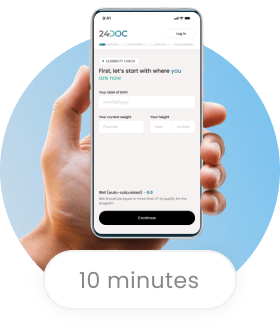
1. Share your symptoms
Complete a short online assessment about your symptoms and medical history.

2. Medical provider review
A licensed medical provider evaluates your information and determines the best course of care.
3. Personalized treatment plan
You receive a treatment plan focused on acid reflux relief and long-term reflux management.
Is Acid Reflux (GERD) Treatment Right For You?
Many people seek treatment when they notice:
- Burning sensation in the chest (heartburn)
- Regurgitation of food or stomach acid
- Sour taste in the mouth
- Indigestion or upper stomach discomfort
- Nausea
- Chronic cough
- Hoarseness or sore throat
- Difficulty swallowing
- Feeling of a lump in the throat
- Chest discomfort that can sometimes be confused with heart-related pain
- Nighttime symptoms that disrupt sleep
Not all symptoms need to be present. A short assessment helps determine if treatment is appropriate.

Fast Online Treatment for Acid Reflux and GERD
Getting relief from acid reflux should not require long waits or expensive visits. 24hrdoc offers convenient online treatment designed around your schedule and your budget.
With our service, you can:
-
Access medical care 24/7 from anywhere
-
Speak with an experienced online doctor
-
Receive a clear treatment plan
-
Get GERD medication sent to your local pharmacy
-
Avoid waiting rooms and high urgent care costs
Many patients find relief with lifestyle changes and medications that reduce stomach acid, including over-the-counter or prescription options when appropriate. Our providers focus on managing heartburn quickly.

Start feeling better—treat acid reflux now
Acid Reflux vs. GERD
Acid reflux refers to the occasional backflow of stomach acid into the esophagus. It can happen after eating certain foods, lying down too soon after meals, or consuming large portions. Many people experience acid reflux from time to time.
GERD, or gastroesophageal reflux disease, is a more persistent form of reflux. It is typically considered GERD when symptoms such as heartburn or indigestion occur more than twice per week or begin to interfere with daily life.
The key differences include:
-
Acid reflux: Occasional, often triggered by diet or habits
-
Gastroesophageal reflux disease (GERD): A chronic condition with frequent, ongoing symptoms that may lead to esophageal irritation if untreated
Understanding this distinction is important because GERD treatment often involves a more structured approach, including prescription medication when needed.
Causes of Acid Reflux
Acid reflux can develop for several reasons. In many cases, it is linked to a combination of lifestyle habits and physical factors that affect how stomach acid moves.
Lifestyle factors
-
Eating fatty, spicy, or acidic foods
-
Drinking alcohol or caffeinated beverages
-
Smoking
-
Eating large meals or eating late at night
Physical conditions
-
Obesity or excess weight putting pressure on the stomach
-
Pregnancy
-
Hiatal hernia, which affects how the stomach and esophagus interact
Medications
-
Certain pain relievers
-
Some blood pressure medications
-
Drugs that relax the lower esophageal sphincter
Stress and digestive issues
-
Slower digestion can increase stomach pressure
-
Stress may worsen acid reflux symptoms and indigestion
Identifying your personal triggers is an important step in managing heartburn.
Prevention Tips for Acid Reflux
Preventing acid reflux is often possible with simple adjustments that support better digestion and reduce pressure on the stomach.
Helpful strategies include:
-
Eating smaller, more frequent meals instead of large portions
-
Avoiding lying down within 2–3 hours after eating
-
Elevating your head during sleep to reduce nighttime reflux
-
Limiting foods that trigger heartburn or indigestion
-
Maintaining a healthy weight
-
Reducing alcohol and tobacco use
These steps can improve reflux management and increase the effectiveness of your GERD treatment plan. Many patients find that combining prevention with treatment leads to longer-lasting acid reflux relief.
Signs and Symptoms of Acid Reflux
Acid reflux symptoms can vary from mild discomfort to more persistent irritation. Recognizing these signs early can help you seek the right medical care before symptoms become more severe.
Common symptoms include the following:
-
Burning sensation in the chest (heartburn)
-
Regurgitation of food or stomach acid
-
Sour taste in the mouth
-
Indigestion or upper stomach discomfort
-
Nausea
Additional GERD symptoms may include:
-
Chronic cough
-
Hoarseness or sore throat
-
Difficulty swallowing
-
Feeling of a lump in the throat
-
Chest discomfort that can sometimes be confused with heart-related pain
-
Nighttime symptoms that disrupt sleep
Chronic heartburn may indicate gastroesophageal reflux disease and should be evaluated by a medical provider.
Do these symptoms sound familiar?
When Should I See a Doctor for Acid Reflux?
Occasional reflux is common, but certain symptoms suggest it is time to seek medical care.
You should consider speaking with an online doctor if:
-
Symptoms occur more than twice per week
-
You experience frequent heartburn
-
Symptoms wake you up at night
-
Over-the-counter acid blockers are not providing relief
-
You rely on antacids regularly
You should seek urgent care or in-person evaluation if you experience:
-
Chest pain, especially with shortness of breath
-
Trouble swallowing
-
Unexplained weight loss
-
Vomiting blood or black stools
For many patients without emergency symptoms, contacting 24hrdoc can be the next step toward fast relief.
How We Treat Acid Reflux Online
24hrdoc makes it easy to start acid reflux treatment online with a simple, guided process designed for convenience and speed.
Step 1: Share your symptoms
Complete a short online assessment about your symptoms and medical history.
Step 2: Medical provider review
A licensed medical provider evaluates your information and determines the best course of care.
Step 3: Personalized treatment plan
You receive a treatment plan focused on acid reflux relief and long-term reflux management.
Depending on your needs, your provider may recommend:
-
Lifestyle adjustments for managing heartburn
-
Over-the-counter acid blockers
-
Prescription medication
-
Guidance on avoiding triggers and helping reduce ongoing esophageal irritation
If appropriate, prescriptions are sent directly to your local pharmacy, often within a short timeframe.
Our approach focuses on:
-
Fast, affordable healthcare
-
Clear communication from experienced providers
-
Effective GERD treatment tailored to your symptoms
-
Convenient online treatment without the need for traditional urgent care visits
Please note: 24hrdoc provides care for adults 18 and older. If your condition requires in-person evaluation, we will guide you to the appropriate next steps.