


Stye Treatment
Fast, Private, Online
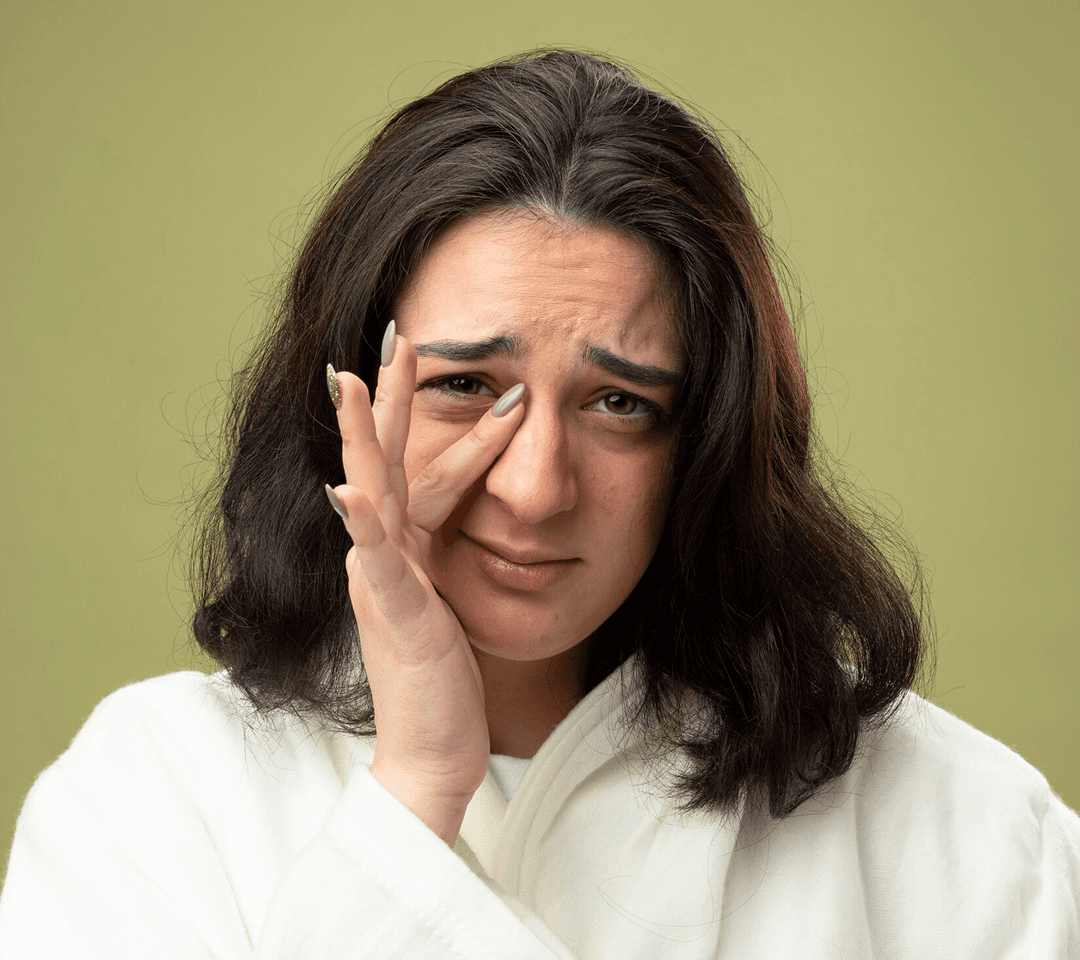
A painful red bump on your eyelid can make every blink uncomfortable. A stye—also called a hordeolum—forms when an oil-producing gland in your eyelid becomes clogged and infected, often by Staphylococcus aureus bacteria. The result is eyelid pain, swelling, tearing, and light sensitivity that can make it hard to focus on daily tasks. At 24hrdoc, you can get fast, affordable stye treatment online—no appointment needed.
- Get your medication refill fast
- Professional care available 24/7
- Prescription within 45 minutes
at just
$39.99
5-minute assessment • No office visit required


Simple 3-Step Process
How it Works
Get your prescription reviewed and sent — without the wait. Most requests completed in within hours.

1. Tell Us About Your Symptoms
Answer a short medical questionnaire so we can understand your condition and determine if treatment is appropriate.
- No in-person visit required
- No insurance required
- Transparent pricing before checkout

2. Reviewed by a Licensed Provider
A licensed medical provider reviews your information to ensure the treatment is safe and appropriate.
- Real medical review
- Safe, personalized decision
- No commitment

3. Prescription Sent to Pharmacy
If approved, your prescription is sent directly to your selected pharmacy for pickup.
- Fast processing (often same day)
- Secure electronic prescription
- Clear next steps after approval
Is Stye Treatment Right For You?
Many people seek treatment when they notice:
- Painful red bump on the eyelid margin or inside the lid
- Eyelid pain and swelling
- Tenderness to touch
- Visible pus-filled spot or small yellow center
- Tearing and watery eyes
- Crusting along the eyelid margins
- A feeling like there’s something in your eye
- Light sensitivity
- Worsening redness or swelling beyond the eyelid
- Difficulty opening the eye fully
- Fever or spreading inflammation, which may suggest preseptal cellulitis (urgent, needs prompt antibiotics) or orbital cellulitis (a medical emergency)
Not all symptoms need to be present. A short assessment helps determine if treatment is appropriate.

Watch how it
works for you
What Is a Stye?
A stye (or hordeolum) is an acute bacterial infection of the eyelid that occurs when one of the tiny oil glands becomes blocked by skin cells, debris, or makeup residue. There are two main types:
- External stye: Forms at the base of the eyelash or near the edge of the eyelid when the outer oil glands or hair follicles are infected.
- Internal stye: Develops deeper inside the eyelid when a meibomian gland becomes blocked and inflamed.
Both types cause localized eyelid pain and swelling and can appear as a painful lump filled with pus.
A stye differs from a chalazion, which is a firm, usually painless cyst caused by chronic blockage—not infection—of an oil gland. While a stye may evolve into a chalazion once the infection clears, chalazia are typically not red, tender, or caused by bacteria.
Transmission of Stye
A stye itself isn’t highly contagious, but the bacteria that cause it can spread through direct or indirect contact. You can reduce the risk of spreading Staphylococcus aureus by avoiding:
- Poor hand hygiene: Rubbing your eyes with unwashed hands transfers bacteria to the eyelids.
- Shared personal items: Towels, washcloths, or pillowcases can harbor bacteria.
- Contaminated eye makeup: Mascara and eyeliner can trap bacteria and clog oil glands.
- Reused or poorly cleaned contact lenses: Lenses and cases can carry bacteria if not disinfected properly.
- Close contact with someone who has an eye condition or active eye infection.
Although styes rarely lead to a medical emergency, keeping your hands and eyelids clean helps stop bacterial spread and shortens recovery time.
Preventing Stye Discomfort
Daily habits can go a long way toward reducing the risk of future styes:
- Wash your hands frequently. Avoid eye rubbing or touching your face without washing first.
- Remove makeup before bed. Sleeping with makeup clogs oil glands and traps bacteria.
- Replace mascara and eyeliner every 3–6 months. Older makeup can harbor germs.
- Clean contact lenses properly. Follow lens-care instructions and replace cases often.
- Manage chronic health conditions. Blepharitis, rosacea, and seborrheic dermatitis make you more prone to eyelid irritation—your healthcare provider can help you keep them under control.
- Support your immune system through rest and good nutrition. This can help your body resist bacterial infection and recover faster if a stye develops.
These small routines help prevent future flare-ups and keep your eyelids healthy.
Signs and Symptoms of a Stye
A stye typically develops quickly, often over 1–2 days. Symptoms can be grouped into three main categories:
1. Localized symptoms
- Painful red bump on the eyelid margin or inside the lid
- Eyelid pain and swelling
- Tenderness to touch
- Visible pus-filled spot or small yellow center
2. Irritation and drainage
- Tearing and watery eyes
- Crusting along the eyelid margins
- A feeling like there’s something in your eye
- Light sensitivity
3. Systemic or spreading signs (less common)
- Worsening redness or swelling beyond the eyelid
- Difficulty opening the eye fully
- Fever or spreading inflammation, which may suggest preseptal cellulitis (urgent, needs prompt antibiotics) or orbital cellulitis (a medical emergency)
If symptoms persist beyond a week or worsen, connect with an online doctor for guidance.

Do these symptoms sound familiar?
When to See a Doctor
Most styes improve within 7–10 days, but some cases need medical attention. See a 24hrdoc online doctor if:
- The stye lasts longer than 7–10 days
- The stye keeps coming back (recurrent)
- Eyelid swelling becomes severe or spreads
- You experience vision changes
- The stye becomes a chalazion (hard, painless lump)
Early online stye treatment prevents complications and can ease discomfort quickly.
Treatments of Stye
Medications are helpful in the prevention of motion sickness when traveling is anticipated. We prescribe the following medications:
- Transdermal scopolamine
- Meclizine
- Dimenhydrinate
Start feeling better—treat stye now
Home Remedies for Relief
Along with prescribed medications, these treatment options can help soothe irritation and promote healing:
- Warm compress: Continue several times daily until the stye drains and heals.
- Pain relief: Use over-the-counter pain relievers such as ibuprofen or acetaminophen to ease tenderness.
- Pause eye makeup and contact lenses: Avoid until the stye fully clears.
- Keep eyelids clean and dry: Gently wipe away any crusting with a clean cloth or sterile pad.
- Rest your eyes: Give your eyelids time to recover by limiting screen use if swelling or light sensitivity persists.