


Taking over-the-counter (OTC) painkillers may help when you experience persistent tooth pain due to an infection or injury. However, in some cases, the pain can be so severe that you wonder, 'Should I go to urgent care?'
You can and should go to an urgent care facility for tooth pain, especially if your dentist is unavailable and you have consistent pain or signs of infection. However, note that most urgent care centers can't perform dental procedures that fix the underlying problem.
They may assess your symptoms and help manage pain, but eventually, you should still see a dentist as soon as possible for problems such as tooth decay, a cracked tooth, or a dental abscess.
The following blog explains when you should go to urgent care for tooth pain and what to expect once you get there.
Key Takeaways
- You can go to urgent care for toothaches, but they can only offer temporary relief.
- Urgent care can be a good alternative when your dental office is closed, but you still need help managing symptoms.
- Skip urgent care and go straight to the ER if you experience severe or rapidly spreading facial swelling and uncontrolled bleeding.
- Rinsing your mouth with warm salt water, using cold compresses, taking OTC pain relievers, and avoiding extreme temperatures can temporarily soothe a toothache while you arrange proper care.
Signs You Should Go To Urgent Care For Tooth Pain
Visit an urgent care facility for tooth pain when you can't reach a dentist. Otherwise, it's always better to see a dentist, as they can treat the underlying problem.
Consider going to urgent care for your toothache if you notice:
- Severe or Worsening Pain: Intense pain that develops suddenly and keeps getting worse may need immediate assessment, especially when your dental office is closed. Dental pain that interferes with normal activities, or doesn't stop after taking OTC meds, also needs attention. Urgent care may help manage pain until you can get dental treatment.
- Mild Swelling: Go to urgent care if you notice swelling around the gums or face.
- Fever/Chills: Seek medical attention as it could be an underlying infection.
Note that symptoms such as difficulty breathing or swallowing, severe facial or neck swelling that's spreading quickly, or uncontrolled bleeding require emergency treatment, not urgent care.
What Can Urgent Care Do for Tooth Pain?
Urgent care centers can help with certain parts of a dental problem and provide immediate relief when you can't reach your regular dentist. The level of care varies by facility, but you can expect the following services:
Symptom Assessment
A provider can examine your symptoms to determine what may be causing the dental pain and whether you need to go to the emergency department. This assessment can also help identify warning signs of a spreading infection. Urgent care may ask about:
- Where the pain is coming from
- How severe the pain is
- When it started
- Facial or gum swelling
- Fever or other signs of infection
- Bleeding
- Recent trauma to the mouth
- Pain when biting or chewing
Pain Management and Antibiotics
Urgent care may prescribe stronger non-narcotic pain relievers based on your symptoms, medical history, allergies, and other medications you may be taking.
Stronger pain medication can relieve pain, but it may not treat the root cause. For example, a severe toothache from tooth rot may continue until a dentist treats the issue.
Urgent care doctors can also prescribe antibiotics for tooth infections if a medical provider evaluates you and finds signs of a bacterial dental infection.
Treat Soft Tissue Trauma
An urgent care facility can treat cuts or tears on your gums, cheeks, and lips caused by a damaged/broken tooth. The facility can clean the wound and stop the bleeding. You may also get stitches to close the tear.
Provide Referrals
Urgent care practitioners may help triage your condition and connect you with local emergency dental services or a dentist.
What Urgent Care Can’t Do for a Toothache
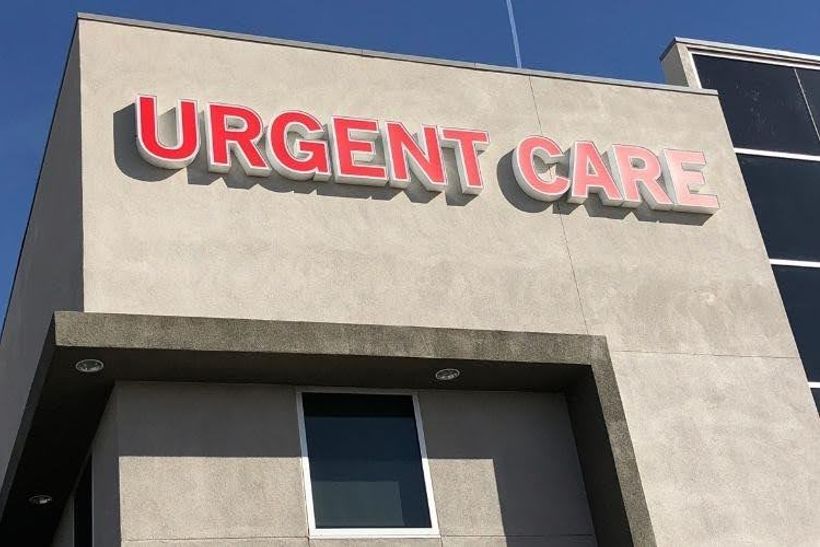
[Photo by Kameleon007 on Canva].
Urgent care can help you manage an immediate medical problem, but they can't do the following for tooth pain:
Dental Procedures
Standard medical urgent care centers don't perform dental procedures such as:
- Fillings
- Crowns
- Root canal treatment
- Repairs to a broken or chipped tooth
- Tooth extractions
- Treatment to restore a badly decayed tooth
Gum disease, for example, can damage the inside of a tooth and cause pain. Urgent care can prescribe strong pain medication, but you may need a filling, root canal, tooth extraction, or another procedure to heal. See a dentist or get emergency dental care for these procedures.
Fix Damaged Teeth
Urgent dental care doesn't repair chipped, knocked-out, broken, or cracked teeth. Similarly, these facilities can't re-cement lost crowns or bridges. Urgent care can provide pain relief, but you would need to see an oral surgeon to fix these issues.
Take Dental X-Rays
Urgent care X-ray equipment is for bones and lungs, not intraoral imaging (a dental technique where a small X-ray sensor, film packet, or optical camera is placed inside the patient's mouth to inspect tooth roots or nerve decay).
Can I Get Urgent Care Using a Telehealth Service?
Telehealth services can provide urgent care for certain non-emergency dental concerns when your dentist is unavailable, and you need help managing symptoms.
During an online consultation, a licensed medical provider can review your symptoms and medical history to determine whether treatment is appropriate. Depending on your condition, they may recommend pain relief medications or prescribe antibiotics.
A virtual provider may also advise you to seek in-person dental care because they can't perform dental X-rays, repair damaged teeth, drain an abscess, or perform procedures such as fillings and root canals.
Should You Go to Urgent Care, a Dentist, or the ER?
The right place for care depends on what's causing your symptoms and how severe they are. Use the following table as a quick guide:
Situation
Where to Seek Care
Mild or persistent tooth pain without serious symptoms
Dentist
Severe dental pain when your dentist isn't available
Urgent care may provide temporary help
Possible dental infection without emergency symptoms
Dentist, urgent care, or appropriate telehealth care
Fractured tooth, broken filling, or lost crown
Dentist or emergency dentist
Knocked-out tooth
Emergency dentist immediately
Severe or rapidly spreading swelling, or trouble breathing or swallowing
Emergency room
When to See a Dentist
A dentist is usually the best choice when you need dental treatment. They can examine the tooth and use dental imaging to identify the root cause. A dentist can prescribe the right treatment and do follow-up appointments.
When to Go to Urgent Care
You can go to urgent care for medical help when your dentist is closed or unavailable. For example, if your tooth causes severe pain late at night, urgent care may prescribe painkillers to help manage the pain until you can see your dentist the next day.
When to Go to the Emergency Room
Some symptoms are dental emergencies and require immediate assistance. Go to the emergency room if a dental issue makes it hard to breathe or swallow. Other reasons to seek emergency care include major facial trauma and uncontrolled bleeding.
An emergency dentist can address urgent issues such as a knocked-out tooth or serious infection. Don't wait for an online consultation or routine dental visit, as these symptoms can become life-threatening.
What to Do for Tooth Pain Until You Get Care
The following simple steps may provide temporary relief, but they won't cure the underlying dental problem:
- Use appropriate OTC pain medication according to the instructions on the label.
- Gently rinse your mouth with warm salt water.
- Apply a cold compress to the outside of your cheek if there's swelling.
- Avoid very hot, cold, sugary, or hard foods that trigger pain.
- Practice good oral hygiene by brushing and keeping the area clean.
What Not to Do
- Don't assume pain relief means the dental problem is gone.
- Avoid taking leftover antibiotics from a past illness or someone else's prescription.
- Don't put aspirin directly against a painful tooth or gum as it can irritate the tissue.
- Don't delay emergency treatment if you develop severe swelling, high fever, uncontrolled bleeding, difficulty breathing, or trouble swallowing.
Get Online Care for Dental Infections with 24hrDoc
24hrDoc provides online dental infection assessments without an office visit. Just provide information about your symptoms and medical history, and our licensed provider will review your answers to decide whether treatment is safe and appropriate. If approved, we'll send a prescription to your selected pharmacy for pickup.
24hrDoc can also help with online prescription refills for tooth pain.
No insurance needed, plus our pricing is transparent, with no hidden fees. Talk to a real doctor today about tooth pain and any other symptoms you may be experiencing with 24hrDoc.
FAQs
Can Urgent Care Prescribe Antibiotics for a Tooth Infection?
Urgent care practitioners can prescribe antibiotics after a doctor determines that you have a bacterial infection and need medication to stop it from spreading. You may still need a dentist to treat the source of the infection.
Can Urgent Care Pull a Tooth?
Most standard medical urgent care centers don't perform tooth extractions. You need to visit a dentist or oral surgeon for this type of treatment. Depending on your condition, urgent care may help manage symptoms while you wait for an appointment.
Can Urgent Care Treat a Tooth Abscess?
Urgent care may examine a suspected tooth abscess and determine the appropriate treatment. However, some require dental procedures such as root canal treatment or tooth extraction, which a surgeon or dentist would need to perform.
Should I Go to the ER or Urgent Care for Tooth Pain?
Urgent care may be appropriate for severe tooth pain when your dentist isn't available, and you don't have emergency warning signs. Go to the emergency room if you develop severe or spreading facial swelling or non-stop bleeding.
Conclusion
Patients can go to urgent care for tooth pain when they need medical help and can't reach a dentist. An urgent care provider will assess your symptoms and help manage pain. The practitioner may also treat certain infections when appropriate, but note that they can't perform the dental procedures needed to fix the underlying problem.
See a dentist if you have persistent tooth pain, decay, cracks, abscesses, or other problems that require dental work. Also, seek emergency medical care if you develop severe facial or neck swelling and difficulty breathing or swallowing.
24hrDoc provides convenient online assessment for suspected non-emergency dental infections. A licensed provider will review your symptoms, and if treatment is approved, we'll send your prescription directly to your selected pharmacy. Start your consultation today.
Share this article