

Millions of Americans live without health insurance for a variety of reasons. Some are between jobs, some are self-employed, and others simply cannot afford coverage. Unfortunately, many people delay medical care because they assume they cannot see a doctor or receive treatment without insurance.
The good news is that you can still access quality healthcare without insurance. From community clinics to online doctor consultations, there are several affordable healthcare options available depending on your symptoms, budget, and medical needs.
This guide explains where you can receive medical care without insurance, what each option offers, and how to choose the right level of care.
Do You Have to Have Insurance to See a Doctor?
No, you do not have to have insurance to see a doctor.
Most healthcare providers accept self-pay patients, meaning you pay directly for your visit instead of using an insurance plan. The cost of a doctor visit without insurance varies depending on where you receive care and the type of treatment you need.
Common healthcare without insurance options include:
- Primary care offices
- Community health centers
- Retail health clinics
- Urgent care centers
- Emergency rooms for medical emergencies
- Online doctor consultations
Choosing the right option often depends on your symptoms, how quickly you need care, and your budget.
Why Many People Delay Medical Care Without Insurance
Many uninsured individuals postpone treatment because they worry about unexpected medical bills or assume they cannot afford care. Others are unsure which healthcare setting is appropriate for their condition.
Unfortunately, delaying treatment can sometimes make a minor health concern more serious. An untreated infection may worsen, allergies can become more severe, and common illnesses may take longer to recover from without appropriate treatment. Seeking care early may help prevent more complex health problems and reduce overall healthcare costs.
Your Options for Medical Care Without Insurance
Community Health Centers
Community health centers receive federal funding to provide primary and preventive healthcare services, often using a sliding-fee scale based on income. These clinics can be a good choice for routine medical care, chronic disease management, vaccinations, and preventive services.
One of the main advantages is their affordability, as they offer lower-cost medical care along with access to preventive services and ongoing primary care. However, there are also some disadvantages to consider, such as potentially longer wait times for appointments and limited access to specialty care.
Retail Health Clinics
Retail clinics, often located inside pharmacies or large retail stores, provide convenient walk-in care for common illnesses such as sore throats, minor infections, seasonal allergies, as well as vaccinations and basic health screenings. An advantage of these clinics is their accessibility and quick service without the need for appointments, but a disadvantage is that they are limited in scope and not suitable for ongoing or complex medical care.
Urgent Care Centers
Urgent care centers bridge the gap between primary care and emergency rooms, treating conditions like ear infections, minor cuts and burns, sprains, flu symptoms, urinary tract infections, and other minor injuries. They typically cost more than retail clinics but significantly less than emergency room visits, and many offer services such as X-rays and lab testing.
An advantage of urgent care is the ability to receive prompt treatment for non-life-threatening issues with access to diagnostic tools, while a disadvantage is the higher cost compared to simpler care options like retail clinics.
Emergency Rooms
Emergency rooms are designed for life-threatening or severe medical conditions and can treat issues such as chest pain, difficulty breathing, signs of a stroke, severe allergic reactions, heavy bleeding, and serious injuries.
They provide immediate, comprehensive care and access to specialized equipment and staff, which is a major advantage in emergencies. However, they often involve long wait times for non-critical cases and can be very expensive, especially without insurance. Emergency medical care should never be delayed because you do not have insurance.
Online Doctor Consultations
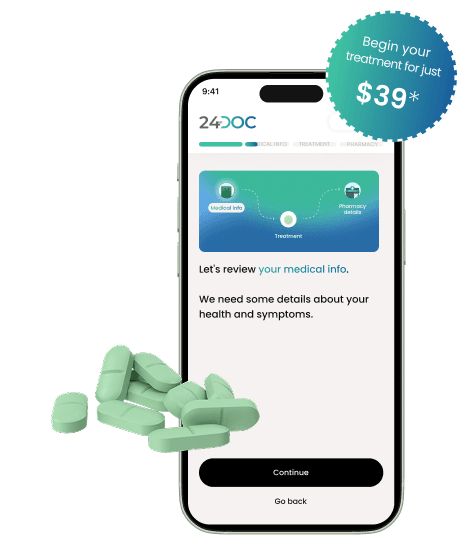
For many non-emergency medical concerns, an online doctor consultation offers a convenient way to connect with a licensed medical provider from home. Patients can typically complete a brief assessment about their symptoms and medical history, after which a provider reviews the information and recommends appropriate care.
If needed, prescriptions may be sent to a local pharmacy, although controlled substances generally cannot be prescribed through telehealth services. Telehealth services often provide flexible scheduling, quick access to care, and the ability to address common conditions such as sinus infections, allergies, cold and flu symptoms, urinary tract infections, skin issues, and certain prescription refills.
Can You Get a Prescription Without Insurance?
Yes. You do not need health insurance to receive a prescription.
A licensed healthcare provider must first determine that medication is medically appropriate for your condition. If treatment is recommended, your prescription can usually be sent electronically to the pharmacy of your choice.
Without insurance, patients pay the pharmacy directly. Many generic medications are available at relatively low prices, and some pharmacies offer discount programs that can help reduce costs.
Is Telehealth or Urgent Care More Affordable Without Insurance?
The answer depends on your medical condition.
For common illnesses that do not require a physical examination, imaging, or laboratory testing, telehealth without insurance is often one of the most affordable healthcare options.
Telehealth may be appropriate for:
- Sinus infections
- Allergies
- Cold and flu symptoms
- Medication management
- Follow-up appointments
- Skin conditions
Urgent care may be a better choice if you need:
- X-rays
- Laboratory testing
- Treatment for minor injuries
- Procedures that require an in-person examination
Choosing the right level of care can help you receive appropriate treatment while avoiding unnecessary healthcare expenses.
What Medical Conditions Can Often Be Treated Online?
Online doctors commonly evaluate and treat many routine medical concerns, including:
- Sinus infections
- Seasonal allergies
- Cold symptoms
- Upper respiratory infections
- Everyday illnesses
- Sexually transmitted illnesses (STIs) and diseases (STDs)
Many patients also seek care for:
- Minor infections
- Rashes
- Skin irritation
- Urinary tract infections
- Ongoing healthcare needs
Telehealth appointments can also help with:
- Prescription management
- Follow-up consultations
- Medication questions
Each online consultation is reviewed individually, and treatment recommendations depend on your symptoms, medical history, and clinical judgment.

When Should You Seek Immediate Medical Attention?
Online medical care is not appropriate for every situation.
Seek emergency medical care immediately if you experience:
- Chest pain
- Severe shortness of breath
- Loss of consciousness
- Stroke symptoms
- Severe bleeding
- Serious trauma
Medical emergencies require immediate in-person evaluation and treatment.
Frequently Asked Questions
How much does a doctor visit cost without insurance?
Costs vary depending on the provider and type of care. Community health centers, retail clinics, telehealth services, urgent care centers, and primary care offices all have different pricing structures.
Is telehealth cheaper than urgent care?
For many common illnesses, telehealth without insurance is often less expensive than an urgent care visit because it does not require in-person facilities or diagnostic testing.
Can online doctors prescribe medication?
Yes. If medically appropriate, licensed providers can prescribe medications and send prescriptions electronically to your preferred pharmacy. At 24hrdoc, approved prescriptions are typically sent for pickup within hours.
Getting Medical Care Without Insurance May Be Easier Than You Think
Not having health insurance does not mean you have to delay medical care. Self-pay patients have several options, including community health centers, retail clinics, urgent care centers, and online doctor consultations.
For many everyday health concerns, 24hrdoc offers a convenient way to connect with a licensed provider from home. Simply complete a short assessment, have your information reviewed by a licensed provider, and, if appropriate, receive a prescription sent directly to your preferred pharmacy. We provide care for a wide range of common conditions, including strep throat, sinus infections, pink eye, allergies, cold and flu symptoms, food poisoning, ear infections, dental infections, STDs, and more.
If you're looking for an online doctor without insurance, 24hrdoc can help you access timely medical care for many common conditions without the need for an in-person visit.
Share this article