


If you have a sore throat, fever, pain, or trouble swallowing, a strep test can help determine whether group A Streptococcus bacteria are causing the infection. Many patients, parents, and caregivers ask, "How long does a strep throat test take?" so they can better plan around it.
A rapid strep test usually takes 10 to 20 minutes, and a throat culture requires 24 to 48 hours. Molecular tests vary. Point-of-care tests can provide results within 15-30 minutes, and laboratory testing can take longer. How quickly you'll receive the result of a test and when treatment can begin after you test positive will depend on your provider's test.

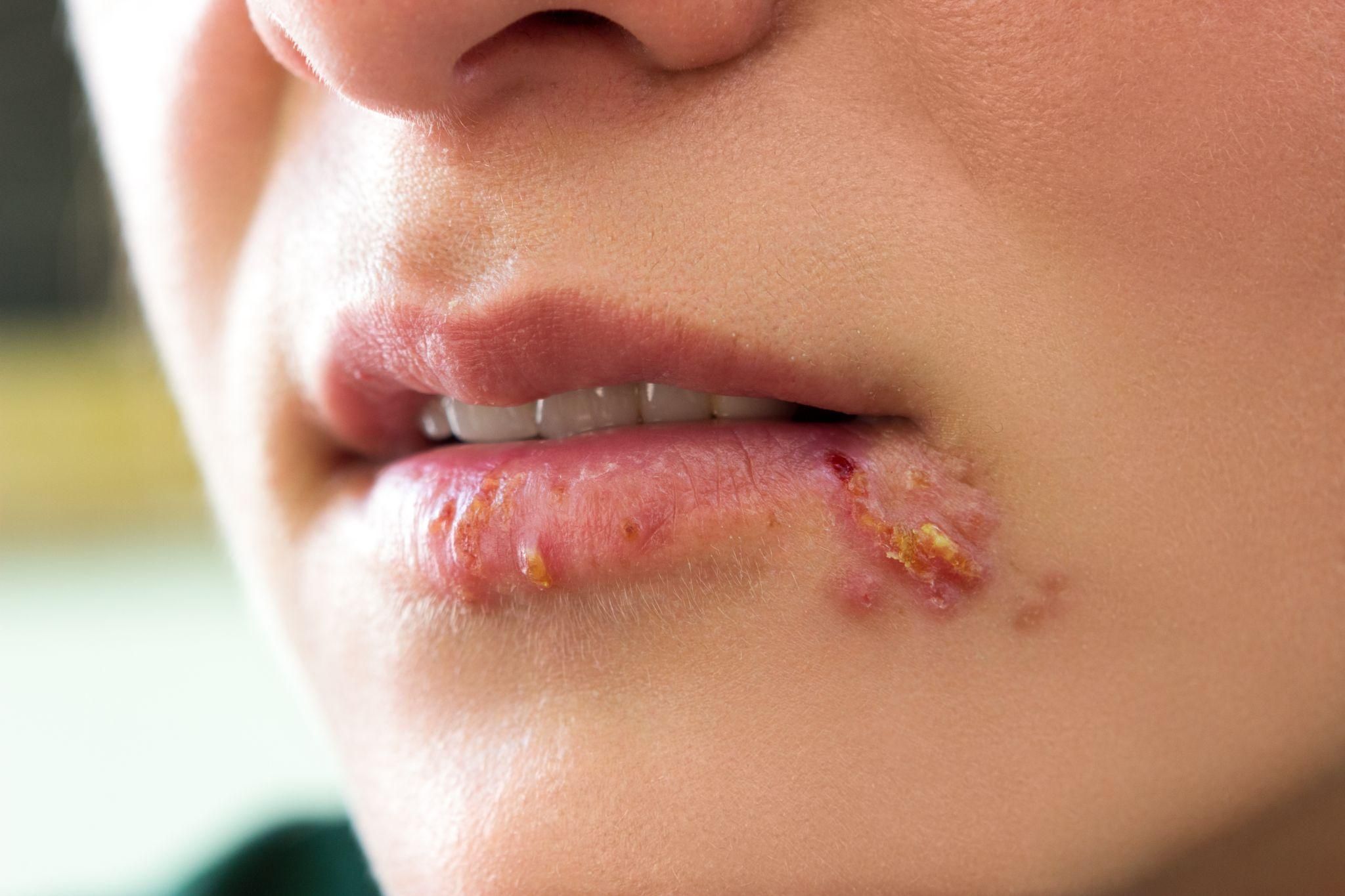
[Image by Doucefleur from Getty Images on Canva]
When Should You Get Tested for Strep Throat?
Most sore throats come from viruses, so throat pain alone doesn't necessarily indicate you have strep. The symptoms of strep throat are often a sudden onset of severe sore throat, fever, pain with swallowing, swollen tonsils, and enlarged neck lymph glands. White patches or pus may appear on the tonsils, while tiny red spots can develop on the roof of the mouth. Children may also experience a headache, nausea, vomiting, or belly pain (Centers for Disease Control and Prevention, 2025a).
If you develop a cough, runny nose, hoarse voice, mouth ulcers, or conjunctivitis, it's likely a viral infection. Without clear viral symptoms, however, a physical exam alone can't reliably distinguish a strep throat infection from other infections. In this case, a health care provider should recommend testing (Centers for Disease Control and Prevention, 2025a).
Children ages 5-15 are at the highest risk of getting a strep throat. Individuals at risk for scarlet fever (due to signs, symptoms, or a history of scarlet fever), rheumatic fever, or close household contact with group A strep also need special consideration when a provider decides to test (Infectious Diseases Society of America, 2025).
How Soon After Symptoms Start Can You Test for Strep Throat?
You can usually get tested once strep throat symptoms become apparent. The incubation period for Group A strep is approximately 2-5 days, which means that symptoms start 2-5 days after exposure (Centers for Disease Control and Prevention, 2025a).
There's no need to wait several additional days after sore throat, fever, and other common symptoms appear. Your provider can determine the best test, including a rapid test, molecular test, or throat culture.
What Happens During a Strep Throat Test?
A strep test begins with a throat swab. Your health care provider may use a tongue depressor to examine the back of your mouth, and then swab the back of your throat and tonsils to collect a sample. The swabbing process typically takes less than a minute.
The provider then uses that sample for a rapid antigen test, molecular test, or throat culture. While collection is quick, the swab can cause brief gagging as it touches the throat and tonsils. The time to get the result depends on the next action taken on the sample.

How Long Each Strep Throat Test Takes
There are three types of tests available, with varying turnaround times.
Test
Typical Result Time
Why Providers Use It
Rapid antigen test
Approximately 10 to 20 minutes
Delivers immediate results during a single clinic visit to begin treatment right away.
Molecular (NAAT/PCR) test
Often same-visit (15–30 minutes) or up to 24 hours depending on lab setup.
Highly sensitive test that detects bacterial DNA, often eliminating the need for a follow-up culture.
Throat culture
About 24 to 48 hours
Serves as the gold standard to catch false-negative results from a rapid test.
Providers often start with a rapid antigen test, and if it's negative, a throat culture may not be needed (Centers for Disease Control and Prevention, 2025b). If you receive a same-visit result, it helps the doctor make a diagnosis and treatment decision quickly.
We also provide online strep throat treatment. You'll just complete a short medical questionnaire for our licensed providers to review. They then decide if you can get strep throat treatment online or need an in-person visit. If treatment is approved, we send your prescription securely to your selected pharmacy, often the same day.
Rapid Test: Results in About 10 to 20 Minutes
A rapid antigen test detects the presence of substances associated with group A strep bacteria in the sample from the throat. The test doesn't require strep bacteria to grow, so it can detect the bacterial infection quickly.
Rapid antigen tests are highly specific and sensitive to varying extents compared with throat culture. If the rapid test is positive, the health care provider can be confident the patient has group A strep pharyngitis; if the test is negative, the provider may pursue further testing (Centers for Disease Control and Prevention, 2025a).
Molecular (PCR) Test: Results Can Be Available Quickly
Also known as nucleic acid amplification tests (NAATs), molecular tests identify the genetic material of Streptococcus bacteria. The turnaround time will depend on the test system and laboratory. Some point-of-care molecular tests provide results on the same visit; others require a laboratory (Sugden & Loeffelholz, 2024).
These tests are generally more sensitive than rapid antigen tests. If it matters to you to get the answer the same day, inquire about the test your clinic will use and when you can expect to know the results.
Throat Culture: Results in 24 to 48 Hours
A throat culture takes time because the laboratory needs to see whether group A strep bacteria grow from the swab. Results typically take one to two days.
There's a reason for that additional time. A throat culture is the best diagnostic test and, at times, detects infections that a rapid strep test misses (Centers for Disease Control and Prevention, 2025a; 2025b).
Why a Negative Rapid Test Can Add a Day or Two
What happens after a negative rapid test depends on your age. Children with symptoms (age 3 and older) should have a negative rapid antigen test and then a throat culture. For adults, a follow-up culture usually isn't necessary because acute rheumatic fever is very rare in this age group (Centers for Disease Control and Prevention, 2025a).
The culture can add another 24 to 48 hours to the process, but it may detect a strep infection that the rapid test missed.
Updated IDSA guidelines also recommend the use of a clinical scoring system to determine who is to be tested for group A strep. These systems consider features such as fever, swollen or tender lymph nodes, swelling or exudate of the tonsils, and no cough. They're primarily intended to help identify individuals at low risk who may not require testing (Infectious Diseases Society of America, 2025).
If your rapid test comes back negative, ask whether your provider plans to send a throat culture and how you'll receive the result.
How Long Does a Strep Throat Visit Take?
The throat swab takes less than a minute, but your full visit includes more than sample collection. You'll usually need time for check-in, a discussion of your symptoms, a physical exam of your throat and tonsils, the swab, and the test result.
With a rapid antigen or point-of-care molecular test, you may receive the result before you leave. If the provider sends a throat culture to a laboratory, you can usually leave after the appointment and receive the result later.
Actual visit times vary considerably by clinic, staffing, patient volume, and time of day, so ask your chosen clinic about its current wait if timing matters.
How Soon Can Strep Throat Be Treated with Antibiotics After a Positive Test?
If your rapid antigen test, molecular test, or throat culture confirms group A strep, you can usually start antibiotic treatment once a health care provider reviews the result and prescribes the appropriate medication.
Strep throat is treated with antibiotics. Penicillin and amoxicillin are first-line choices for people without a relevant allergy, and the CDC recommends a 10-day course for oral penicillin V or amoxicillin. Other antibiotics and treatment durations may apply in certain circumstances (Centers for Disease Control and Prevention, 2025a).
Taking antibiotics as prescribed can shorten symptoms, reduce transmission, and help prevent complications such as acute rheumatic fever. Your provider will choose the medication and duration based on your circumstances, so even an amoxicillin prescription isn't automatic.
Can You Get Tested or Treated Online?
You can start an assessment online, but a remote provider can't physically swab your throat. If testing is necessary, you may need to visit a local clinic or other testing location for a throat swab. A licensed provider can then review your symptoms, medical history, and available test results and prescribe antibiotics when clinically appropriate.
At 24HrDOC, you can complete a short online questionnaire for a licensed provider to review. If the provider decides treatment is appropriate, they can send a prescription electronically to your chosen pharmacy. In some cases, the provider may recommend local testing or in-person care first. This distinction matters because antibiotics treat bacterial infections such as confirmed strep, not a viral infection. You can read more about the difference between OTC medicine and prescription antibiotics.
Some symptoms need prompt in-person medical attention. According to the Urgent Care Association. (n.d.), you should seek urgent medical care if you have:
- Trouble breathing
- Severe difficulty swallowing or drooling because you can't swallow
- A high fever with a stiff neck
- Trouble opening your mouth fully
Seek medical advice if symptoms are severe, worsening, or causing other concerning health problems.
Frequently Asked Questions
Can a Rapid Strep Test Result Be Wrong?
Yes. Rapid tests have high specificity but varying sensitivity, so false negatives are more likely than false positives. For symptomatic children age 3 and older, providers should confirm a negative rapid test with a throat culture, which can find infections the rapid test misses (Centers for Disease Control and Prevention, 2025a).
Do You Have to Wait for the Culture Before Starting Antibiotics?
Usually, yes. If your rapid test is negative and a throat culture is pending, your provider will generally wait for the result before prescribing antibiotics. If the culture is positive, treatment can begin then, helping relieve symptoms and prevent complications such as acute rheumatic fever (Centers for Disease Control and Prevention, 2025a).
Do You Need to Prepare for a Strep Throat Test?
No special preparation is usually necessary. A provider simply swabs the back of your throat and tonsils to collect a sample. If you're having a throat culture, avoid antiseptic mouthwash beforehand because it may affect the results (MedlinePlus, 2024).
How Long Is Strep Throat Contagious?
Strep throat can spread through respiratory droplets when an infected person talks, coughs, or sneezes. Appropriate antibiotics reduce contagiousness quickly. The CDC advises staying home until you're fever-free and have taken antibiotics for at least 12 to 24 hours (Centers for Disease Control and Prevention, 2025a).
The Bottom Line
A rapid strep test usually provides results in 10 to 20 minutes, while a throat culture takes about 24 to 48 hours. Molecular test timing varies, although some point-of-care tests provide same-visit results. If you're diagnosed with strep throat, your provider can prescribe antibiotics to treat the infection, reduce its spread, and lower the risk of serious complications. When getting to a clinic is difficult, start with an online consultation to find out whether you need testing, treatment, or in-person care.
References
- Centers for Disease Control and Prevention. (2024a). Clinical guidance for group A streptococcal pharyngitis.
- Centers for Disease Control and Prevention. (2024b). Testing for strep throat or scarlet fever.
- Linder, J. A., Watson, M. E., Wessels, M. R., Carter, D. M., Cohen, A. L., Dien Bard, J., Erdem, G., Gregory, C. J., Kourtis, A. P., Martin, J. M., Mochon, A. B., Shapiro, D. J., Stevens, R. W., Kaur, D., & Barshak, M. B. (2025). 2025 clinical practice guideline update by the Infectious Diseases Society of America on group A streptococcal pharyngitis: Risk assessment using clinical scoring systems in children and adults. Clinical Infectious Diseases, 82(Suppl. 3), i97-i104.
- MedlinePlus. (2024). Strep A test. National Library of Medicine.
- Sugden, S. M., & Loeffelholz, M. J. (2024). Implementation of molecular diagnostic testing for group A streptococcal pharyngitis: Considerations and challenges with a focus on point-of-care environments. Expert Review of Molecular Diagnostics, 24(12), 1073-1082.
- Urgent Care Association. (n.d.). Urgent care data. Retrieved September 9, 2026.
Share this article