


To refill a prescription on time, you must plan ahead and request it before your last pill. You can typically do this through the pharmacy, the prescribing provider, or an online telehealth service. The pharmacy checks if you have any refills on the order, and if so, prepares your medication for either pick-up or delivery. If no refills are available, your prescriber must authorize a new prescription.
This guide provides detailed instructions on how to refill a prescription, the fastest ways to request one, the information you need, and options when you’re out of medication or traveling. There are also special regulations depending on the type of medication, so it covers the differences as well.

[Image by FatCamera from Getty Images Signature on Canva]
How Prescription Refills Actually Work
Your provider normally prescribes medicine and authorizes a limited number of refills based on your health. Check your prescription label to see how many refills you have left. Each time you pick up the prescription, the number of refills decreases. Once the refills are depleted, the pharmacy can’t dispense additional refills without a prescription.
It’s important to note the difference between a refill and a renewal. In the case of a refill, you use an existing prescriber authorization, while a renewal requires your provider to write prescriptions for any new medications. Although patients use the term "refill" interchangeably for both, pharmacists handle them differently.
Prescriptions also expire. You can pick up most non-controlled medications at the pharmacy within one year after the prescription date. After the expiry date, any leftover refills are no longer valid (U.S. Food and Drug Administration, 2023). If you’re taking controlled medications, such as certain opioid painkillers, ADHD medicines, or benzodiazepines, you’ll need to talk with your physician, as these drugs have stricter regulations.
When you run out of refills or your prescription expires, the healthcare provider must confirm if the medicine and dosage are still effective for you before renewing your prescription. This is why you should request refills as prescribed. Regular visits to your provider can help you manage prescription refills and reduce the chance of running out unexpectedly.
[Image by Natee Meepian's Images on Canva]
How to Request a Prescription Refill
You can request a refill in several ways. The fastest way will vary depending on where you normally get your prescription from and if you have any remaining refills.
Through Your Pharmacy
For refills on record, the best way is to call the pharmacy directly. Most pharmacies allow refill requests by phone (usually through an automated system), on their website, in their mobile app, or in person at the store. Some pharmacy apps even have the ability to scan the barcode on the Rx bottle to determine the exact medication and if you have any refills left.
To process the refill, the pharmacy will most likely require your prescription number. You'll usually find this number on your medication label or bottle. They may also need personal details, such as your name, to help them locate the correct prescription and the number of refills (MedlinePlus, 2024).
After processing your request, the pharmacy will usually let you know when your prescription is ready for pickup or delivery. Don't wait until your last pill to request a refill. Some refill requests may take up to 72 hours for Pharmacies or prescribers to process, especially if the pharmacy requires additional authorization.
Through Your Prescriber
The pharmacist can also call your provider and ask for authorization if you’re out of refills. You can reach out to your provider by phone or a patient portal. This route may take longer, as your prescriber will need to review the request. Your provider may also want to talk with you, schedule an appointment, or review your test results before approving more medication.
If you’re running low, call your provider's office a few days in advance to reorder. Prepare in advance if a weekend or holiday is coming up, as the office may be closed.
Through an Online Telehealth Service
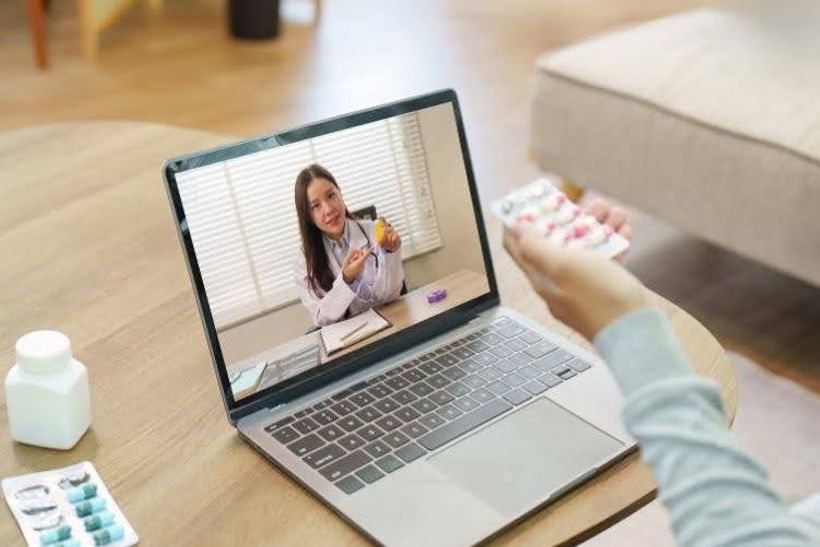
You can use a telehealth service to assess your condition and request a prescription online. You start by filling out a brief health and medication questionnaire, and a licensed provider reviews the information. If prescribing another refill is clinically appropriate, the provider sends the prescription to your preferred pharmacy. This is a convenient option if you've used up your refills and a provider visit isn’t easily accessible.
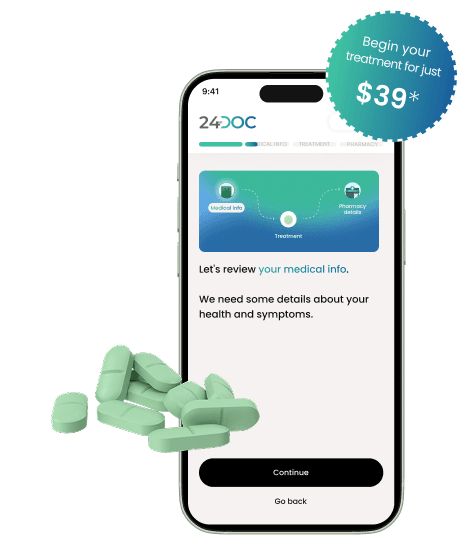
At 24HrDOC, we evaluate requests for prescription refills and write a prescription based on the findings if medically appropriate. You’ll fill out a simple questionnaire about your health problem, health history, and current medications. A licensed prescriber will then evaluate your information and approve the right therapy for you. Once approved, we send your prescription to your preferred pharmacy for pickup or delivery.
The Information You'll Need For a Refill
With a little preparation, you can make the refill process quicker, whichever route you choose. Before you begin, be ready with:
- Prescription Number (on the label or bottle).
- The name and dosage of the medication, allowing the pharmacist or provider to verify exactly what you're requesting to refill.
- Name and address of your pharmacy or, if you’re changing pharmacies, your preferred pharmacy.
- A current government-issued photo ID, which a pharmacy may ask for at pickup (particularly when picking up certain medications).
- Your provider's name and contact details, in case the pharmacist requires authorization.
- Insurance card information if the pharmacy doesn't have it on file.
Insurance coverage may affect prescription costs. Your copay may vary by pharmacy, and some insurance plans have a preferred pharmacy network. If you don't know about the coverage or cost, ask your insurance company or the pharmacist. You might also want to inquire if cash payments or an eligible discount card can change the price.
If you're requesting an online refill, you'll also provide a brief health history so the healthcare provider can recommend a safe prescription. Be thorough and precise, and include any new developments in your health or any other meds you're taking.
Prescription Refills for Chronic Versus Acute Medications
The number of refills you get and how often you'll need another prescription depend on the type of medication you're using.
Providers commonly prescribe chronic or maintenance medication with multiple refills since patients take them over an extended period of time. Depending on the prescription and insurance coverage, a 90-day supply can also apply to medications for conditions such as high blood pressure, high cholesterol, and thyroid conditions. Some pharmacies also offer automatic refills for qualifying maintenance medications, so you don't have to request the same prescription every month.
However, providers prescribe medications for acute conditions differently. Antibiotics treat a specific illness for a set period, so providers typically prescribe them without refills. For instance, if you need an amoxicillin prescription for a new infection or nitrofurantoin for UTI treatment when symptoms flare up, you'll need a fresh assessment and new prescription rather than a refill of the old antibiotic prescription.
Don't reuse leftover antibiotics or take them for a new infection without a prescription from a licensed provider. The U.S. Centers for Disease Control and Prevention advises taking antibiotics only as prescribed. Using antibiotics when you don't need them or taking them incorrectly can contribute to antibiotic resistance (CDC, 2024).
Some medications used for weight management sit closer to the chronic side and require ongoing monitoring. If you're managing your weight with a GLP-1 medication such as semaglutide, our online weight-loss treatment program provides the regular provider check-ins that this type of treatment requires.
Controlled Versus Non-Controlled Substances: The Refill Process Differs
Controlled substances follow stricter federal refill limits than ordinary medications because of their potential for misuse.
According to the policy of the U.S. Drug Enforcement Agency, you can’t get any refills on Schedule II drugs. This schedule contains some stimulants and very potent analgesics. Each fill requires a new prescription from your provider (DEA, 2023a).
However, you can request a refill for Schedule III and IV controlled substances up to five times within six months from the date the prescription was written, provided the prescriber authorized the refills. After you reach that limit, you need a new prescription (DEA, 2023b).
These restrictions mean that you'll need more frequent visits or appointments with your provider if you're taking some controlled substances. State law, the medication involved, and your provider's clinical requirements can also affect how often you need to see your doctor.
Non-controlled medications are generally more flexible. Providers can prescribe them with multiple refills and in larger supplies, depending on your health. In many cases, you can also request them through telehealth after a provider reviews your medical information.
If you're unsure which category your medication falls into or how many refills the law allows, speak with your pharmacist or prescriber.
What to Do If You're Out of Refills or Traveling
It's easy to run out of refills when traveling, but you still have options. If your label shows zero refills, contact your pharmacy or provider as soon as possible. Most pharmacists can also contact the prescriber and request authorization for another supply.
In some urgent situations, pharmacists may provide an emergency supply of certain medications for a few days. However, this depends on state law, the medication, your health, and the circumstances. Emergency refills may not be available for controlled substances because they face stricter restrictions (DEA, 2023a).
If you're traveling or away from your regular pharmacy, contact another location in the same pharmacy chain to see if it can access or transfer your prescription. Transfer rules depend on the medication and applicable laws, so call before you make the trip.
Timing, Automatic Refills, and When a Provider Reassesses You
Request your refill before you take your last dose. Most pharmacies will let you refill maintenance medications a few days before you run out, although the exact timing can depend on the prescription, pharmacy, and insurance coverage. Because some requests can take up to 72 hours to process, plan ahead and start early to allow time for delays.
Some pharmacies also offer automatic refills for eligible maintenance medications. You can usually set them up through the pharmacy's site, app, account, or by speaking with a pharmacist. The pharmacy processes the next refill when it's due and typically notifies you when it's ready for pickup or delivery.
While automatic refills are convenient for stable, long-term medications, they can't replace regular medical reviews. You need a licensed provider to periodically reassess medications that affect blood pressure, blood sugar, hormones, or other health measures. Some prescriptions also require lab monitoring before your provider can authorize more.
Check your bottle regularly to see how many refills are available, request one before your last pill, and keep up with any appointments the provider recommends. Planning ahead for the next refill gives you time to sort out authorization, insurance, or pharmacy issues before you miss a dose.
Frequently Asked Questions
Can Someone Else Pick Up My Prescription for Me?
Usually, yes. Some pharmacies can allow another person to collect your medication, but ID requirements and pharmacy policies vary. Controlled substances also have stricter pickup requirements, so contact the pharmacy first if you're unsure.
Can I Transfer a Prescription to Another Pharmacy?
In many cases, yes. Ask the new pharmacy to arrange the transfer with your current pharmacy. Transfer rules vary by medication and jurisdiction, and some controlled substances have additional restrictions. Your insurance network may also affect prescription costs at the new location.
What Happens to My Refills If I Change Doctors?
Changing doctors usually doesn't cancel refills already authorized on a valid prescription. Check your label to see how many refills remain. Once those run out, your new doctor may need to review treatment before issuing a new prescription.
Can I Get a Prescription Refill After Losing My Medication?
Contact your pharmacist if you lose your medication. Depending on the drug and circumstances, you may need approval from your prescriber or a new prescription. Your insurance may also restrict early refills or require an override, and stricter rules also apply to controlled substances.
The Bottom Line
The first step of refilling a prescription is to determine if there are any refills available. If there are, you can normally order the medication from your preferred pharmacy by phone, app, website, or at the counter. If you have no refills left or the prescription expires, you’ll need to see a prescriber again to get a new prescription, if appropriate.
What happens next also depends on the type of medication. Refill guidelines for controlled substances differ from those for non-controlled substances; if you're unsure, check the prescription information or ask your pharmacist. An online service might provide access to certain eligible medicines if you don’t have easy access to your usual provider when you need a new prescription.
References
- Centers for Disease Control and Prevention. (2024). Antibiotic do's and don'ts. U.S. Department of Health and Human Services.
- Drug Enforcement Administration. (2023a). Title 21 Code of Federal Regulations §1306.11–1306.13: Requirements for Schedule II prescriptions. U.S. Department of Justice.
- Drug Enforcement Administration. (2023b). Title 21 Code of Federal Regulations §1306.22: Refilling of prescriptions for Schedule III and IV controlled substances. U.S. Department of Justice.
- MedlinePlus. (2024). Getting a prescription filled. U.S. National Library of Medicine.
- U.S. Food and Drug Administration. (2023). Frequently asked questions about prescription drugs. U.S. Department of Health and Human Services.
Share this article