

GLP-1 medications such as Ozempic, Wegovy, Mounjaro, and Zepbound are prescribed for specific approved uses involving type 2 diabetes, chronic weight management, or both. These medications can reduce appetite, affect digestion, improve blood sugar control, and support weight loss. As treatment progresses, many people begin to wonder what happens if you stop a GLP-1 medication and how discontinuation could affect their results.
After stopping Ozempic or another GLP-1 medication, hunger and food-related thoughts may gradually return as the medication leaves the body. Some people regain weight. Those using treatment for type 2 diabetes may also experience rising blood sugar. The timing and extent of these changes vary, so medication changes should be planned with the prescribing provider.
Weight gain after stopping Ozempic or other GLP-1 medications is not a sign of personal failure. These treatments affect biological processes involved in hunger, fullness, digestion, and glucose regulation. When treatment ends, those effects gradually diminish.
Below, we examine what can happen when stopping GLP-1 treatment, what people sometimes call Ozempic withdrawal, and strategies that may support long-term weight management.
Why Do People Stop Taking GLP-1 Medications?
People consider stopping GLP-1 treatment for many reasons. The reason for discontinuation can affect how a provider approaches the transition and what follow-up care may be needed.
Common reasons for getting off a GLP-1 include:
- Persistent nausea, vomiting, diarrhea, constipation, or fatigue
- Medication costs or changes in insurance coverage
- Difficulty obtaining the prescribed medication
- Pregnancy or plans to become pregnant
- Reaching a personal weight goal
- Limited treatment response
- A change in health status
- A provider-recommended medication change
- A preference to manage weight without medication
Why Stopping GLP-1s Causes Noticeable Changes
Before discussing outcomes, it helps to understand how GLP-1 medications work and why their effects do not persist once dosing stops.
What GLP-1 Medications Do in the Body
GLP-1 receptor agonists mimic a naturally occurring hormone involved in appetite and glucose regulation. While active, they influence several systems at once:¹
- Slower stomach emptying: Food moves through the stomach more slowly, which promotes earlier and longer-lasting fullness.
- Appetite regulation: GLP-1 signaling in the brain reduces hunger and dampens food-seeking behavior.
- Reduced cravings: Many patients experience less interest in high-calorie or highly palatable foods.
Why the Effects Gradually Diminish
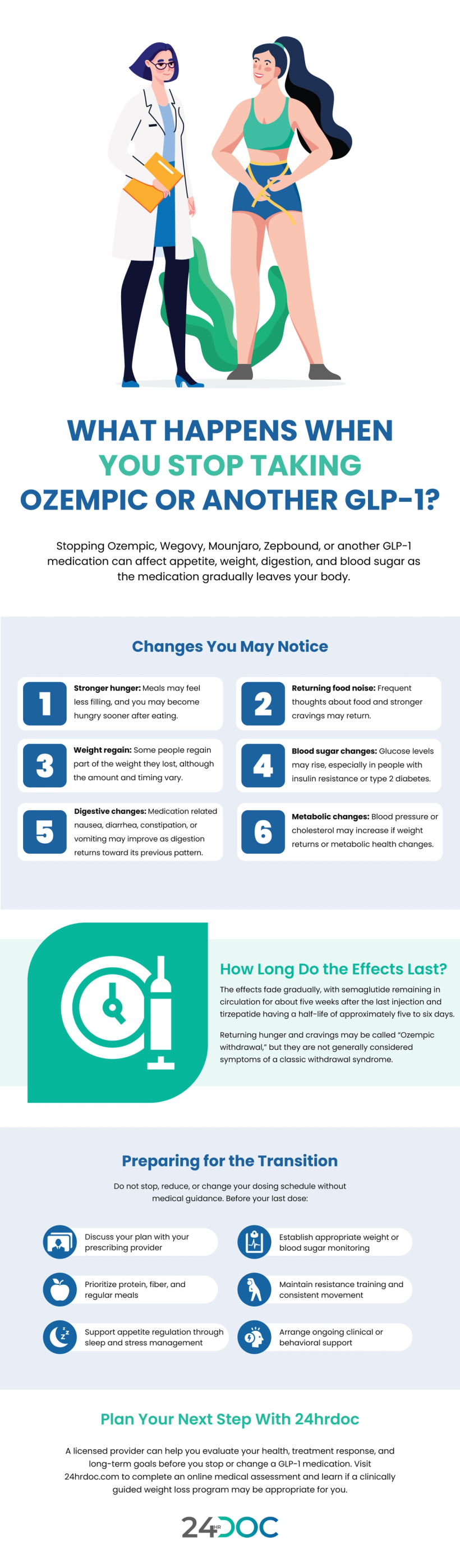
GLP-1 medications do not permanently reset appetite, digestion, or metabolism. After the last dose, the amount of medication in the body gradually declines. Hunger, digestion, blood sugar, and food-related thoughts may begin returning toward their pretreatment patterns.
This does not always happen immediately. Semaglutide has a half-life of approximately one week and can remain in circulation for about five weeks after the last injection. Tirzepatide has a half-life of approximately five to six days. The timeline depends on the medication, dose, length of treatment, and individual response.
What This Means for Real-World Users
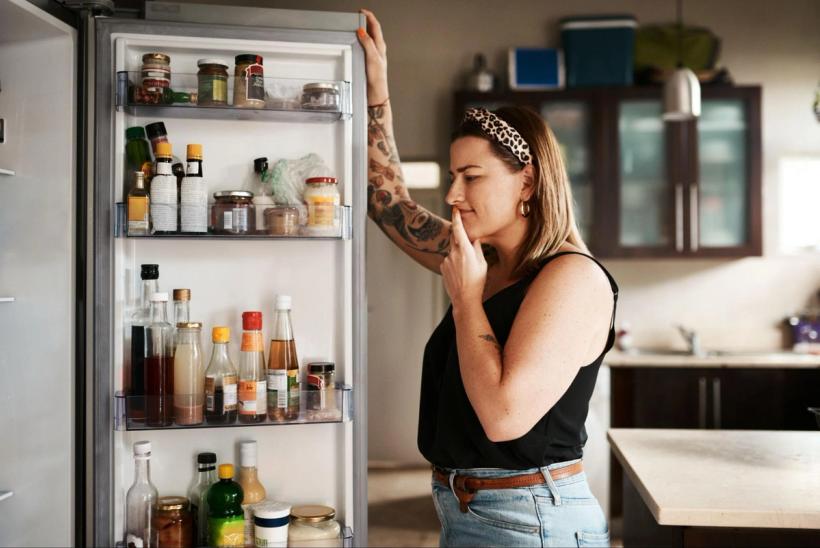
For most people coming off GLP-1s, hunger increases, portion sizes feel less satisfying, and old snacking habits can reappear. Without intervention, weight often begins to rise again.¹
What Happens If You Stop GLP-1 Treatment?
Stopping GLP-1 treatment can affect appetite, digestion, weight, blood sugar, and other areas of health. The experience varies among individuals and may depend on the medication’s original purpose.
Appetite Changes
When coming off a GLP-1, hunger may gradually become stronger as the medication’s appetite-related effects diminish. Meals that felt satisfying during treatment may no longer produce the same degree of fullness. Some people also notice that they feel hungry sooner after eating.1
Food Noise and Cravings
Food noise refers to frequent or intrusive thoughts about eating. GLP-1 medications may reduce these thoughts for some patients, but they can return after treatment ends.
The return of food noise can feel discouraging, especially for someone who experienced substantial relief during treatment. Recognizing it as a biologically influenced response may help reduce frustration and self-blame.
Metabolic and Blood Sugar Changes
GLP-1 medications can help lower blood sugar through effects on insulin secretion, glucagon signaling, appetite, and food intake. Those benefits may diminish after discontinuation.2
People with insulin resistance or type 2 diabetes may notice rising glucose levels after stopping GLP-1 treatment. Blood sugar monitoring and follow-up laboratory testing may be needed during the transition.1
Blood Pressure and Cholesterol Changes
Blood pressure and cholesterol may rise if weight returns or metabolic health worsens after stopping treatment. These changes are not universal, but they may be more important for people with hypertension, high cholesterol, diabetes, or cardiovascular disease.1
Digestive Changes
GLP-1 medications can slow stomach emptying and cause gastrointestinal side effects. After discontinuation, digestion may gradually return toward its previous pattern.2 Medication-related nausea, vomiting, diarrhea, or constipation may improve, although persistent or severe symptoms should be evaluated by a provider.
Potential Weight Gain
Weight regain is common after stopping Ozempic and other GLP-1 medications, but the amount and timing differ. Some people regain a portion of the weight they lost, while others experience more substantial changes.
Weight gain after stopping Ozempic or other GLP-1 medications may be influenced by stronger hunger, larger portions, returning cravings, changes in physical activity, and the body’s biological response to prior weight loss. A structured maintenance plan may help limit regain, but it cannot guarantee that body weight will remain unchanged.1,2
How Long Do GLP-1 Effects Last After the Last Dose?
The effects of a GLP-1 medication generally fade gradually rather than ending as soon as a dose is missed. Some people notice stronger hunger or returning cravings within the first few weeks. Others experience a slower transition.
Factors that may influence the timeline include:
- The medication prescribed
- The dose and dosing schedule
- How long the medication was used
- Individual metabolism
- The reason for treatment
- Other medications and medical conditions
What people sometimes describe as Ozempic withdrawal symptoms usually refers to returning hunger, food noise, cravings, or blood sugar changes. Ozempic withdrawal is not generally considered a classic withdrawal syndrome like the one associated with certain addictive or dependence-forming substances.
Common Mistakes When Stopping GLP-1 Treatment
A planned transition can help patients respond to appetite, blood sugar, and weight changes before they become harder to manage. Common mistakes include the following:
Changing Treatment Without Medical Guidance
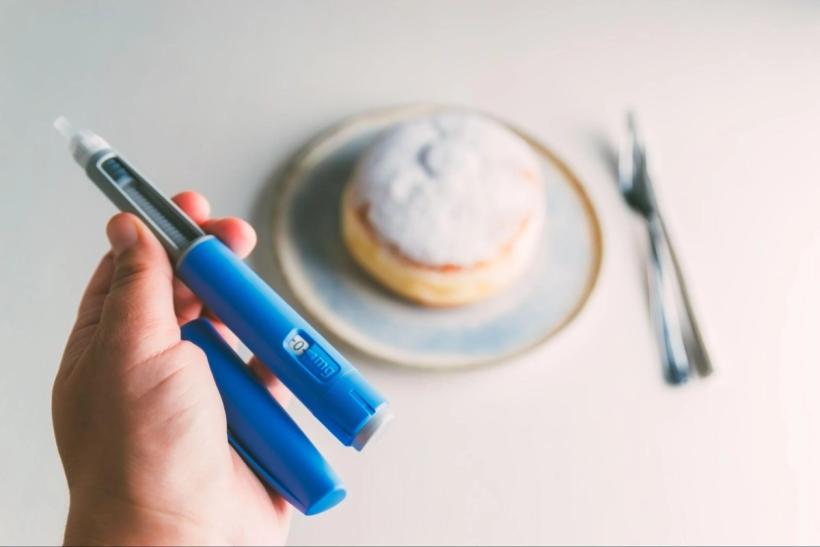
Stopping Ozempic or another GLP-1 medication without medical guidance can leave returning hunger, blood sugar changes, and weight regain unmonitored. People using treatment for type 2 diabetes may need a different plan for controlling glucose.
Assuming Appetite and Portion Needs Will Stay the Same
The portions and meal patterns that felt satisfying during treatment may not provide the same fullness afterward. Planning balanced meals and snacks before the final dose can make the transition easier to manage.
Waiting for Weight Regain Before Making a Plan
Nutrition, activity, sleep, stress management, and follow-up care should be discussed before treatment ends. Waiting until hunger or weight changes become substantial may make it harder to respond.
Relying Only on Willpower
Stronger hunger and returning food noise are influenced by biology. Regular meals, planned food choices, activity routines, monitoring, and professional support provide more structure than willpower alone.
How to Approach Stopping GLP-1 Treatment
Getting off a GLP-1 should involve a treatment plan based on the medication, reason for discontinuation, and individual health needs.
Ask Your Provider About Stopping or Adjusting Treatment
There is no universal tapering schedule for Ozempic or every other medication in this category. Some providers may recommend stopping directly. In other situations, a provider may discuss a lower dose, a different medication, or another individualized approach.
Do not lower the dose or extend the time between injections on your own. The appropriate plan depends on your treatment response, side effects, blood sugar, weight history, and long-term health goals.
Establish a Monitoring Plan
Monitoring can help identify changes before they become more difficult to address. Depending on your health history, a provider may recommend tracking:
- Weight trends
- Hunger, fullness, and food noise
- Blood glucose or A1C
- Blood pressure
- Cholesterol
- Energy and physical strength
- Return of weight-related symptoms
- Emotional distress or disordered eating concerns
Frequent weighing is not appropriate for everyone. People with a history of disordered eating or anxiety around weight should ask their provider which monitoring methods are suitable.
Prepare Before the Last Dose
Build a realistic plan for nutrition, movement, sleep, stress, and follow-up care before stopping GLP-1 treatment. Preparation cannot guarantee that weight will remain stable, but it may help you respond to returning hunger and other changes.
How to Maintain Weight Loss After Stopping Ozempic or Other GLP-1s
A structured maintenance plan may help limit weight regain and support metabolic health after stopping Ozempic or another GLP-1 medication. Some weight regain can still occur, even when a person follows consistent nutrition and activity habits.
The goal should be realistic, sustainable weight management rather than expecting appetite and body weight to remain exactly as they were during treatment.
Nutrition Strategies That Help Stabilize Appetite
After GLP-1 medication discontinuation, nutrition quality and overall intake both influence weight maintenance.
- Higher protein intake: Protein increases satiety and helps preserve lean mass.
- Fiber-rich foods: Vegetables, legumes, and whole grains slow digestion and reduce hunger spikes.
- Slow-digesting carbohydrates: These support stable blood sugar.
- Hydration timing: Drinking fluids consistently throughout the day helps prevent mistaking thirst for hunger.
- Meal timing consistency: Regular eating patterns reduce impulsive snacking.
Movement Strategies That Support Maintenance
Exercise supports metabolic health beyond calorie burn.
- Resistance training: Building or maintaining muscle helps counter metabolic slowdown.
- Low-intensity steady movement: Walking and similar activities improve insulin sensitivity and appetite regulation.
Behavioral Tools That Reduce Food Noise
Behavioral strategies can help people respond to hunger and food-related thoughts.
- Mindful eating practices: Slowing down during meals and paying attention to fullness cues can help restore portion awareness and reduce overeating.
- Eating without screens: Removing distractions during meals improves recognition of hunger and satiety signals, which may be blunted after stopping medication.
- Tracking hunger versus cravings: Simple tracking helps distinguish physical hunger from emotional or situational cravings, making food decisions more intentional.
Evidence-Based Non-Medication Supports
Lifestyle factors play a larger role in weight stability once GLP-1 medications are stopped.
- Adequate sleep: Poor sleep increases hunger hormones and cravings, making weight maintenance more difficult.²
- Stress management: Chronic stress can drive appetite, blood sugar dysregulation, and emotional eating, especially during transitions off medication.²
- Ongoing support: Regular check-ins with a provider, coach, or support program help reinforce consistency and catch early signs of regain.

Microdosing GLP-1 Medications After Weight Loss
GLP-1 microdosing generally refers to using a dose below a medication’s standard therapeutic dosing schedule. Some patients and clinicians discuss this approach when coming off a GLP-1, managing side effects, or trying to reduce treatment costs.
Many people report GLP-1 microdosing benefits, such as lower doses help with appetite, food noise, or portion awareness. However, individual reports do not establish that microdosing reliably prevents weight regain. GLP-1 microdosing protocols are not standardized, and evidence supporting this approach as a long-term maintenance strategy remains limited.
A dose that is too low may not provide the intended clinical effect. Independently changing the amount or frequency of medication may also increase the risk of dosing errors, side effects, or inadequate treatment of type 2 diabetes.
Patients interested in a lower dose should discuss it with their prescribing provider. The provider can review treatment response, side effects, medication type, blood sugar, weight history, and available evidence before recommending any adjustment. Do not create a microdosing schedule or extend the time between doses without medical guidance.
GLP-1 Medications and Pregnancy Planning
GLP-1 medications are not used for weight loss during pregnancy. People who are pregnant, breastfeeding, or planning a pregnancy should contact their provider before changing treatment.
The recommended discontinuation timeline differs by medication. For example, FDA prescribing information directs patients to stop semaglutide at least two months before a planned pregnancy because of its long washout period. Follow the prescribing information for your medication and the instructions provided by your clinician.
When to See a Provider After Stopping GLP-1s
Stopping GLP-1 medications can involve predictable physical and metabolic changes, but some symptoms warrant medical attention rather than self-management.
Medical evaluation is appropriate if you experience:
- Significant blood sugar spikes
- Persistent dizziness, fatigue, or nausea
- Difficulty controlling appetite despite structured efforts
- Emotional distress related to weight regain
- Early intervention often prevents larger setbacks
Frequently Asked Questions
What should you do if you miss one GLP-1 dose?
Follow the missed-dose instructions for your specific medication rather than assuming treatment has ended. Instructions differ by product, so check the prescribing information or contact your provider before taking the next dose.
Can you switch to another weight-loss medication instead of stopping treatment?
A provider may consider another medication if side effects, cost, availability, or treatment response make the current option unsuitable. The transition plan depends on the medications involved and your health history.
Do you gain weight back after stopping a GLP-1?
Weight regain is common after stopping a GLP-1 medication because hunger, cravings, and food noise may return as the medication’s effects diminish. The amount of weight regained varies, and a structured maintenance plan may help limit it.
Plan Your Next Step With Clinical Support
Stopping Ozempic or coming off another GLP-1 may lead to stronger hunger, returning food noise, weight regain, and changes in blood sugar or other metabolic markers. These effects vary based on the medication, treatment purpose, health history, and length of use. A licensed provider can help you evaluate your options before you change your dose or discontinue treatment.
24hrdoc offers clinically guided, prescription-based weight-loss care reviewed by licensed providers. Treatment options may include injectable semaglutide, oral semaglutide, or injectable tirzepatide when prescribed following a medical assessment. Eligible patients receive a personalized treatment plan, ongoing care coaching, provider support, and medication fulfillment through a licensed pharmacy.
Complete the online medical assessment to find out if a 24hrdoc weight-loss program may be appropriate for you. The assessment takes about 10 minutes, and no payment is required to begin.
Sources:
- Healthline. Can You Have Withdrawal Symptoms from Semaglutide (Ozempic)?
- Healthline. How to Keep the Weight Off After Stopping Semaglutide.
Share this article