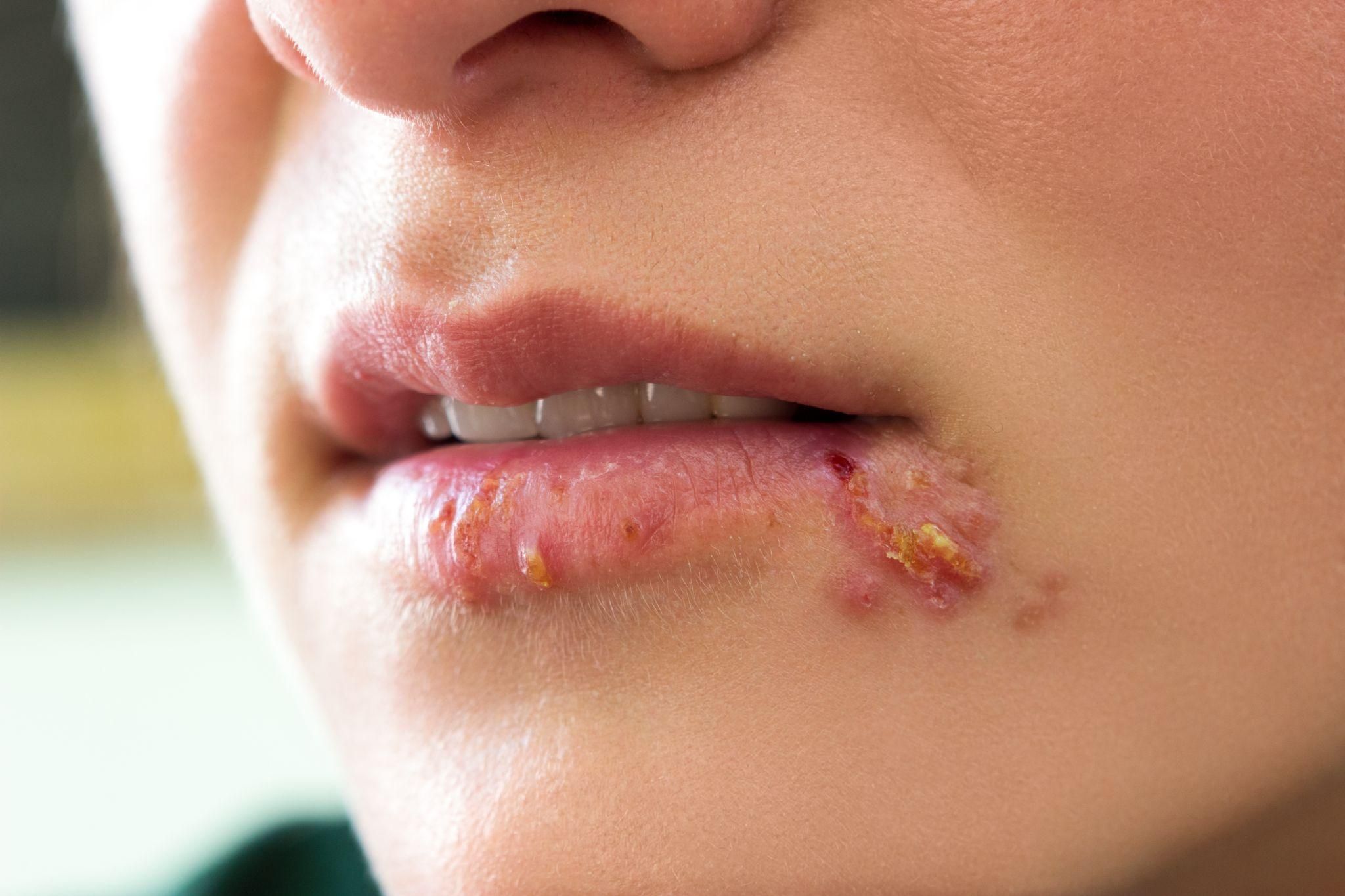



Tooth infections happen when bacteria infect the soft tissue inside the enamel or the surrounding tissues. The infection can form a pocket of pus known as a dental abscess. The most common cause is untreated tooth decay, but bacteria can also enter the vulnerable tissue through a fractured or broken tooth, gum disease, and dental trauma.
An infected tooth requires professional dental care. If bacteria invade the pulp or form an abscess, the infection won't resolve on its own. Seek dental care immediately, especially if pain or swelling worsens. It's important to have a dentist or licensed health care provider evaluate the dental infection.
[Image by 400tmax from Getty Images Signature on Canva]
What Is a Dental Abscess, and How Does It Form?
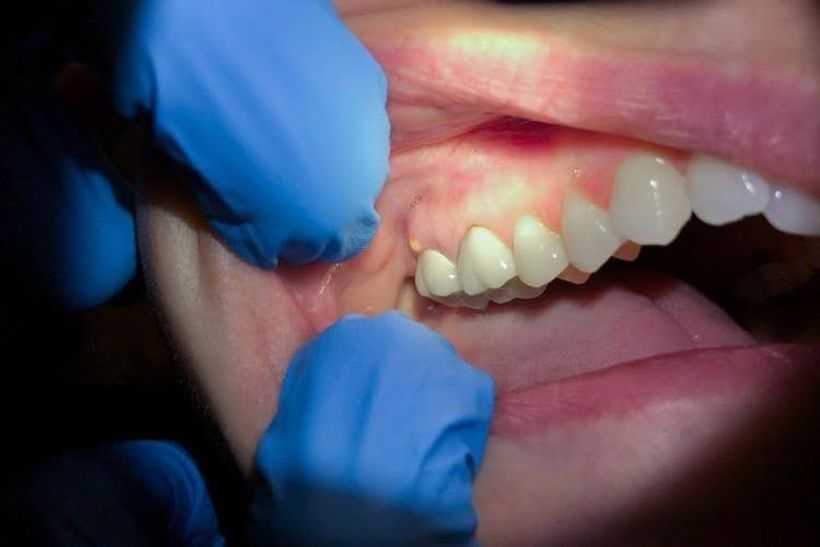
A dental abscess (periapical or periodontal abscess) refers to the pus that collects around the teeth and gums as tissue breaks down and inflammatory cells accumulate in reaction to a bacterial infection. Protective tooth enamel covers the harder dentin underneath. Beneath both layers is the pulp, the soft middle part of a tooth that contains nerves, connective tissue, and blood vessels.
A tooth infection usually begins when bacteria breach these protective layers and reach the pulp. Because the rigid tooth structure limits drainage, pressure can build and cause significant tooth pain. If infection spreads through the root canal system, it can reach the tooth root and the surrounding tissue and bone. A dental abscess is a localized collection of pus in these tissues.
An abscessed tooth requires professional treatment to address the infection. Treatment should address the source instead of simply waiting for symptoms to improve. If you can't visit the dentist's office physically, try telehealth dental services for urgent care.
At 24hrDOC, our dentists conduct thorough evaluations through an online consultation to diagnose your dental infection. The process begins with a review of your dental history, followed by an assessment of symptoms such as pain, swelling, and tooth sensitivity.
[Image by Zay Nyi Nyi from Getty Images and Alessandrograndini on Canva]
Periapical Abscess vs. Periodontal Abscess
Tooth abscesses can occur in various places. The two main types are periapical abscesses and periodontal abscesses.
- Periapical Abscess: This type of abscess forms at or near the end of the root of a tooth, typically after bacteria infect the pulp and invade the root canal system. This can then progress from the root into the surrounding tissues.
- Periodontal Abscess: This abscess forms in the gum and surrounding tissues around a tooth. Periodontal disease can form deep pockets between the gums and teeth where bacteria can settle. This is why advanced gum disease increases the risk.
Unlike these deeper infections, a gingival abscess only involves the gum tissue and not the tooth pulp or deeper periodontal structures.
However, these conditions can cause the same symptoms, and pain isn't a strong indicator of the root cause. Your dentist can examine the affected tooth and surrounding tissues and may take a dental X-ray to determine where and how the infection started.
[Image by JHLee from Getty Images on Canva]
What Causes a Tooth Infection?
Tooth infections occur when bacteria invade the tissues that the enamel, gums, and other tissues normally shield. The following issues can create an opening in the tooth enamel:
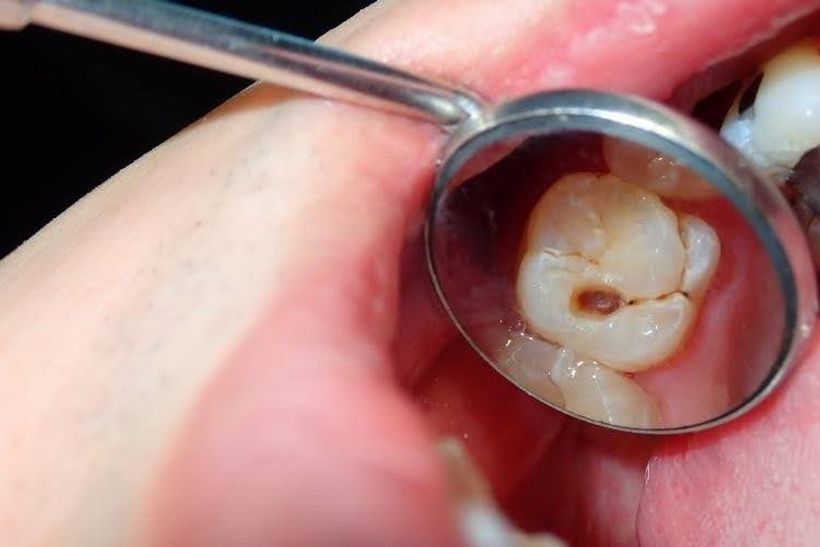
- Untreated Tooth Decay: One of the most common pathways is tooth cavities. Plaque bacteria consume sugars and create acids that attack the enamel. As decay progresses, bacteria may break down enamel and dentin, allowing them to reach the pulp. The National Institute of Dental and Craniofacial Research identifies tooth decay as the most common chronic disease in both U.S. children and adults [5]. Treating cavities promptly helps prevent this progression.
- A Cracked, Chipped, or Broken Tooth: Cracked, chipped, or broken teeth don't always cause pain right away. If it goes deep enough, bacteria can work their way into the tooth and infect the pulp.
- Failed or Aging Dental Restorations: Over time, dental crowns or fillings can fail or loosen. Recurrent decay or pulp infection can occur around a failed restoration when bacteria infiltrate the area. A dental implant doesn’t get cavities, but infection and inflammation around the gum and bone can still occur. Read this guide on signs of a dental implant infection for more insights.
- Gum Disease: Periodontal disease is an infection of the gums and supporting structures around teeth. Bacteria may get trapped in deep periodontal pockets, causing a periodontal abscess.
- Dental Injuries: Trauma can damage the pulp and its blood supply even if the tooth remains intact. The pulp may later die, allowing bacteria to cause an infection.

[Image by Mukhina1 from Getty Images on Canva]
What Makes a Dental Infection More Likely?
The problems listed above provide a pathway for bacteria to enter a tooth or tissues. But the following factors also increase the risk of tooth decay, gum disease, and dental infection:
- Poor Oral Hygiene: Inadequate brushing and flossing between the teeth allow plaque to accumulate, increasing the risk of cavities and periodontal disease.
- Frequent Sugar Intake: Sipping sugary liquids or eating high-sugar snacks helps plaque bacteria produce acids that damage enamel.
- Dry Mouth: Saliva is important for washing away food particles, neutralizing acids, and protecting teeth. Low saliva production increases the risk of tooth decay.
- Diabetes: High blood sugar (diabetes) weakens white blood cells that can fight the infection. People with diabetes are at higher risk for gum disease [3].
- A Weakened Immune System: Some diseases and treatments (such as chemotherapy) may affect the body's ability to fight bacterial infections.
- Irregular Dental Care: Maintain good oral hygiene to identify cavities, periodontal problems, and failing dental restorations before they progress to more serious dental infections.
You can reduce the risk if you maintain good oral hygiene. Brush twice a day with fluoride toothpaste and floss or use other interdental cleaners daily between the teeth. Dentists also have the chance to treat tooth decay before bacteria get to the pulp during regular checkups.

[Image by Shisuka on Canva]
Symptoms of a Tooth Infection
Symptoms will depend on the location and severity of the tooth infection. An abscessed tooth can cause:
- Increased sensitivity or sharp pain that moves toward the jaw or ear.
- Increased tooth pain while lying down.
- The tendency to react to extremes of heat and cold.
- Sensitivity to heat or cold.
- Pain when biting or chewing.
- Swelling of the face or gum tissue on the face.
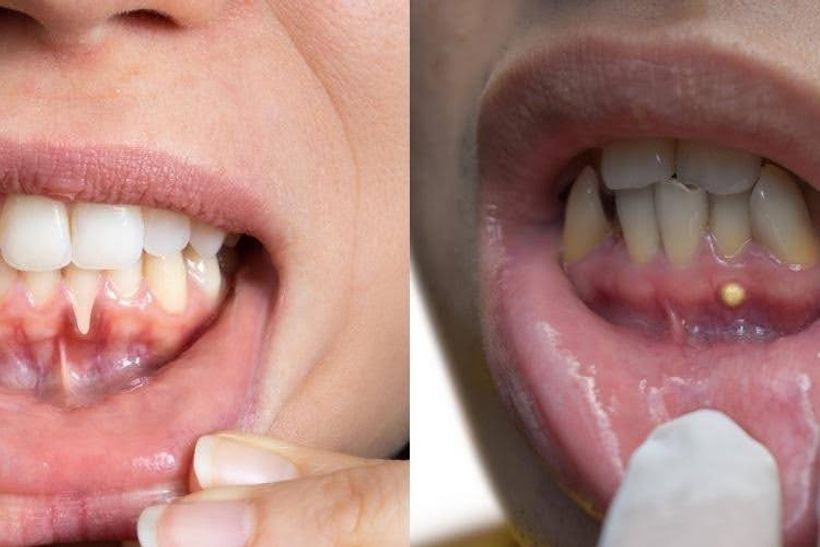
- A small bump on the gum that looks like a pimple.
- Swollen or tender lymph nodes under the jaw or in the neck.
- If the tooth abscess drains, it will have a foul or salty taste.
- Fever, feeling unwell, or low mood.
While these symptoms may indicate a dental infection, they don’t prove one. A dental examination is necessary for a prompt, accurate diagnosis because other dental conditions can have similar symptoms.
If your tooth is severely painful but suddenly stops hurting, don't assume that the infection has gone away. As the infection continues, the pulp may die, and the nerve won't report pain even when bacteria remain in the tooth and surrounding tissue.
Why an Abscess or Tooth Infection Won't Go Away on Its Own
After bacteria invade the pulp and the tissue dies, the body often can't clear the infection on its own. The infection goes deeper into the root canal system of the tooth, and the lack of normal blood flow limits the body's capacity to combat bacteria.
This is why antibiotics may not be sufficient to successfully treat an existing abscess. According to the American Dental Association guideline (2019), most pulpal and periapical dental pain or localized abscesses in otherwise healthy adults should be treated with dental treatment and not antibiotics [4]. Bailey and Fluent later restated this guideline in a clinical summary [2].
Treatment for dental infections varies depending on the diagnosis, and may involve tooth extraction, drainage, or root canal therapy. When the pulp is infected or irreversibly inflamed, root canal therapy can save the natural tooth if it's still restorable.
Antibiotics may be appropriate in some situations, especially when the infection from the dental disease is systemic, spreading to other parts of the body and causing fever or malaise. A healthcare professional can prescribe amoxicillin or another antibiotic, based on your symptoms and suitability. Remember, antibiotics can't replace the dental care needed to address the root cause.
Dental Infection Treatment for an Abscessed Tooth
Treatment options vary depending on the location of the infection, the extent of spread, and whether the infected tooth is salvageable.
- Root Canal Treatment: A dentist or root canal specialist removes infected or irreversibly inflamed pulp, cleans and disinfects the root canal system, and seals the tooth. Root canal therapy can save a restorable natural tooth, but preserves only its structural integrity.
- Drainage and Periodontal Treatment: If pus has collected, a dentist may need to drain the abscess. In the case of a periodontal abscess, treatment can include the cleaning of the periodontal pocket and addressing the underlying gum disease.
- Tooth Extraction: When damage or infection leaves a tooth beyond repair, tooth extraction removes the source.
Drainage may help relieve pain if the pressure from an abscess is causing it, but you still need to visit a dentist to treat the underlying cause of the abscess. Your provider will determine the need for antibiotics based on the extent and severity of the infection and your health.
Over-the-counter medications may provide temporary relief, but they can't cure a dental infection. It's important to note this difference when comparing OTC medications and prescription antibiotics. Our guide on OTC medication vs. prescription antibiotics clarifies this difference to help you make better choices for your health.
Important Note: Don’t try to punch, squeeze, or drain a tooth abscess at home. Home drainage doesn't eliminate the source of infection, and it can cause damage to the surrounding tissue. An abscess must be evaluated and drained by a dentist or oral surgeon.
When a Tooth Infection Becomes a Medical Emergency
Most dental infections require immediate dental care, not emergency hospital treatment. In rare cases, however, infection can travel from the tooth to the deeper tissues of the face, jaw, and neck and lead to serious health complications.
A rare but serious condition is Ludwig's angina, which is a rapidly spreading infection of the floor of the mouth and neck. It typically begins with an infection of a lower second or third molar. Swelling may compromise the airway, and severe cases may require surgical drainage of the affected area, urgent airway management, and intravenous antibiotics [1].
Seek emergency medical care immediately if you develop:
- Difficulty Breathing or Swallowing: This can manifest as difficulty in swallowing saliva, drooling from the mouth, or a marked change in voice.
- Rapidly Spreading Swelling: Swelling that creeps under the jaw or into the neck area may signal a more severe infection.
- Severe Systemic Symptoms: Fever, confusion, significant weakness, or other symptoms of serious illness require immediate medical evaluation.
- Difficulty Opening Your Mouth: Deeper dental infections can cause significant restriction.
- Rapidly Worsening Symptoms: Swelling or a health problem that worsens quickly should be evaluated immediately.
Emergency care is especially critical when swelling affects breathing or swallowing. Hospitals can provide airway management, imaging, intravenous medication, and surgical care as needed.
In all other instances, never dismiss persistent tooth pain, swelling, or signs of an infected tooth. Early treatment can prevent the problem from worsening, help relieve pain, and can increase your dentist's likelihood of saving the damaged tooth. See our guide on urgent care for tooth pain.
Frequently Asked Questions
How Long Can a Tooth Infection Go Untreated?
There's no safe window for leaving a tooth infection untreated. Some abscesses remain localized for a while, while others spread into surrounding tissues more quickly. If left untreated, an advanced infection can cause facial swelling, fever, swollen lymph nodes, and, in rare cases, dangerous health complications. Seek prompt dental care and don't wait to see if the infection improves.
Is a Tooth Infection Contagious?
The tooth infection or abscess itself isn't contagious. However, people can pass some bacteria associated with tooth decay and gum disease through saliva, such as by sharing utensils or toothbrushes. Good oral hygiene, including brushing with fluoride toothpaste and cleaning between your teeth with dental floss, can help you avoid tooth decay and maintain good oral health.
What's the Difference Between a Toothache and a Tooth Infection?
A toothache is a symptom, not a diagnosis. Tooth decay, a cracked tooth, grinding or clenching, and an infected pulp can all cause dental pain. A tooth infection may cause constant throbbing pain or sharp, localized pain when biting, while facial swelling, fever, a bad taste, or swollen lymph nodes can point to a more serious infection. A dental exam can provide a prompt, accurate diagnosis.
The Bottom Line
A tooth infection develops when bacteria reach the pulp or tissues around a tooth, often through untreated decay, cracks, gum disease, or an injury. If left untreated, the infection can spread and cause dangerous health complications, so seek prompt dental care for persistent pain or swelling. A licensed 24HrDOC provider can assess your symptoms and prescribe medication when clinically appropriate while you arrange dental treatment to address the source.
References
- AL Ghabra, Y., Brizuela, M., Winters, R., & Singhal, M. (2025). Ludwig angina. In StatPearls. StatPearls Publishing.
- Bailey, E. M., & Fluent, M. T. (2025). Antibiotics for pulpal/periapical pain and intraoral swelling: An executive summary of the clinical practice guideline. Journal of the California Dental Association, 53(1), Article 2588915.
- Centers for Disease Control and Prevention. (2024). Oral health and diabetes.
- Lockhart, P. B., Tampi, M. P., Abt, E., Aminoshariae, A., Durkin, M. J., Fouad, A. F., Gopal, P., Hatten, B. W., Kennedy, E., Lang, M. S., Patton, L. L., Paumier, T., Suda, K. J., Pilcher, L., Urquhart, O., O'Brien, K. K., & Carrasco-Labra, A. (2019). Evidence-based clinical practice guideline on antibiotic use for the urgent management of pulpal- and periapical-related dental pain and intraoral swelling: A report from the American Dental Association. The Journal of the American Dental Association, 150(11), 906-921.e12.
- National Institute of Dental and Craniofacial Research. (2024). Dental caries (tooth decay).
Share this article