


A sore throat, fever, and painful swallowing can signal strep throat, a bacterial infection that may require antibiotics. However, these symptoms can also occur with viral infections, so testing can help determine whether group A Streptococcus is responsible.
Many patients, parents, and caregivers ask, "How to test for strep throat?" so they can know what to expect. This article explains the different testing methods, where to get tested, what your results mean, and how you can get treated without visiting the doctor's office.
Key Takeaways
- You can test for strep throat with a rapid strep test, a molecular test, or a throat culture.
- Throat swabs are the gold standard for the diagnosis of strep throat
- Antibiotics are the main treatment for strep throat.
- Home tests for strep throat are available but often less reliable than clinical testing.
When Should You Test For Strep Throat?
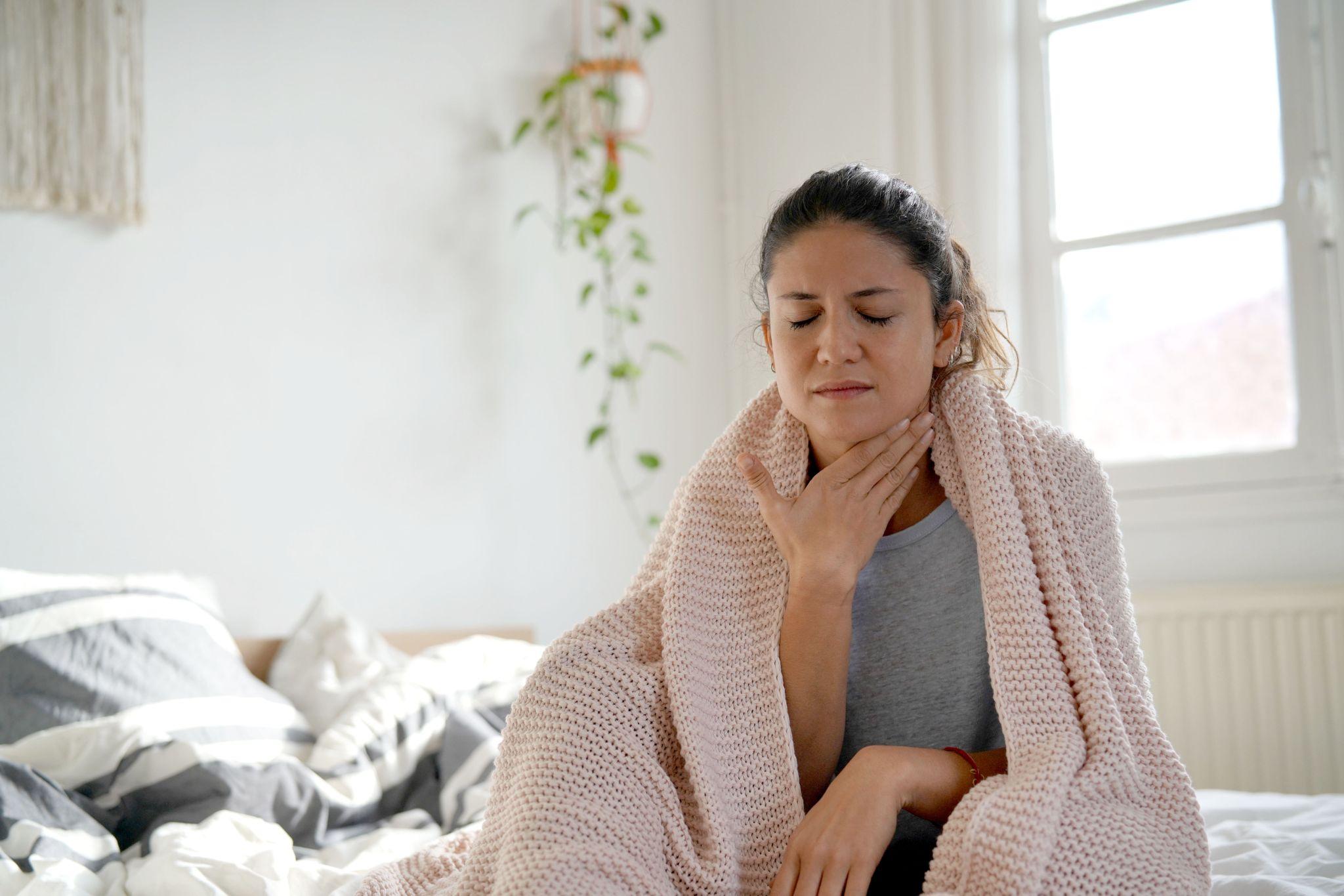
Test for strep throat if you notice any symptoms. Strep throat often starts suddenly with a painful sore throat, fever, red and swollen tonsils (sometimes with white patches), and difficulty swallowing. Some children with strep throat may come down with abdominal pain, headache, and nausea, though these aren't common symptoms.
How to Test for Strep Throat
To test for strep throat, your healthcare provider will use a throat swab. Here is what you can expect:
- First, a provider will ask that you tilt your head back and open your mouth as wide as you can
- The provider will hold down your tongue with a depressor
- They will run a sterile swab firmly across the back of your throat.
The procedure is painless and usually takes a few seconds. You don't need to prepare for a throat swab, and there are no risks, though some people may feel slight discomfort or experience gagging (MedlinePlus, 2024).
Your provider can diagnose strep throat with any of these tests:
Rapid Antigen Detection Test (RADT)
The rapid test checks for the presence of antigens (surface proteins) associated with group A strep bacteria in the throat swab sample. Results are usually available within 10–15 minutes, although the exact timing depends on the test.
Although RADTs have high specificity for group A strep bacteria, their sensitivity varies compared with throat culture. In other words, while a positive result is generally reliable, the rapid test may sometimes fail to detect strep bacteria when it's genuinely present (Centers for Disease Control and Prevention, 2025). Hence, a throat culture may be needed to confirm a negative rapid strep test result.
Molecular Test (PCR or NAAT)
The molecular test detects the genetic material of the group A strep bacteria through methods such as polymerase chain reaction (PCR) or other nucleic acid amplification technologies (NAATs).
The molecular test is more sensitive than the antigen test (i.e the molecular test will likely detect strep bacteria that the rapid test missed). Also, a recent study that looked into strep throat testing suggests that negative molecular tests may not need a confirmatory throat culture, unlike a negative rapid test (Boyanton et al., 2024)
Some molecular tests provide results during the appointment, while others require laboratory processing.
Throat Culture
A throat culture is the gold-standard diagnostic test for strep throat and can detect infections the rapid strep test misses. However, it often takes longer than the other two tests. This is because the laboratory takes time to see if group A strep bacteria grow from the swab. It's(CDC, 2025).
Results generally take 24–48 hours. Read this guide to know more about how long a strep throat test takes.
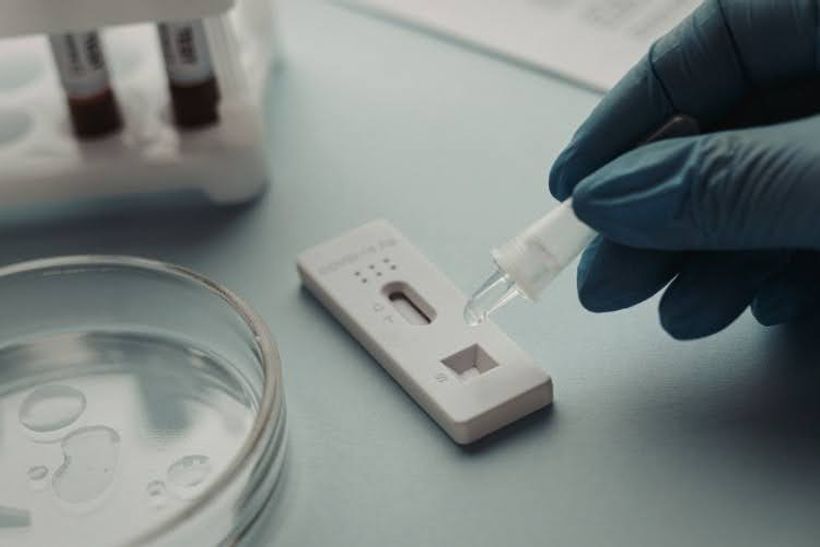
Image credit: Photo by Stoica Adrian’s Images
What Your Strep Test Result Means
When You Test Positive
A positive test usually confirms a group A strep throat infection, and your provider will prescribe the appropriate antibiotics.
When You Test Negative
If you test negative, then the test did not detect the presence of group A strep bacteria. According to the US Centers for Disease Control and Prevention (CDC), interpretation can vary based on the type of test:
- Negative Rapid Antigen Test in Children: Symptomatic children aged 3 and older generally need a follow-up throat culture.
- Negative Rapid Antigen Test in Adults: A backup culture isn't routinely necessary.
- Negative Throat Culture: Group A strep is unlikely to be the cause, and antibiotics for strep throat generally aren't needed (CDC, 2025).
When to Go for Urgent Care?
Get urgent care if you notice any of the following:
- Trouble breathing or drooling, especially in children
- Inability to open your mouth properly.
- One-sided severe pain with swelling, which can suggest an abscess behind a tonsil.
- A sandpaper-textured rash, which can indicate scarlet fever.
- Refusal to drink water or other fluids, especially in children.
Is It Sore Throat or Strep Throat?
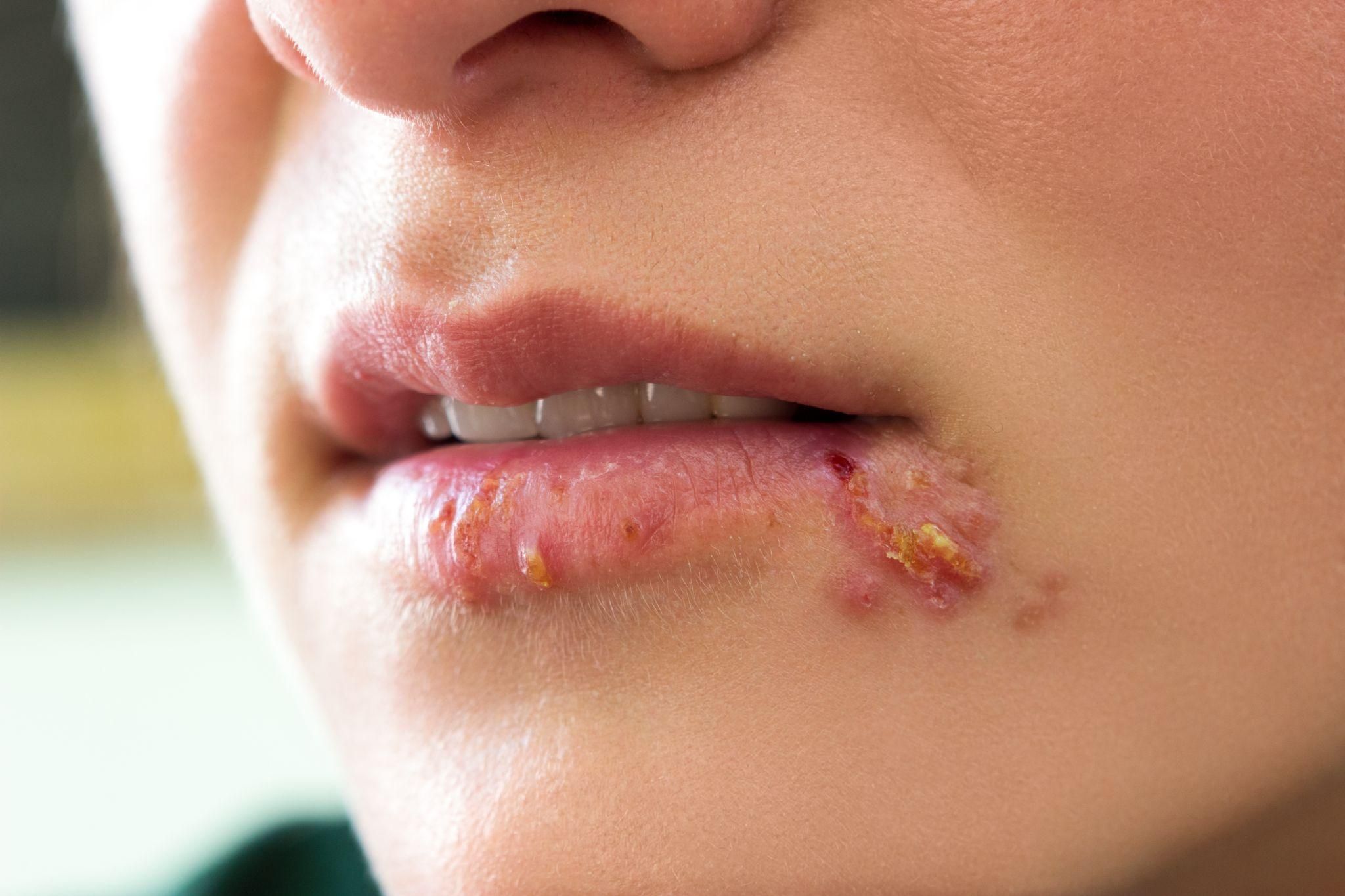
Strep throat and a sore throat can feel alike at first, but the symptoms often tell them apart. People with strep throat typically don't have symptoms like cough, runny nose, hoarseness, oral sores, or red eyes, which strongly suggests a viral infection (Centers for Disease Control and Prevention, 2025).
Moreover, strep throat symptoms often appear suddenly and feel intense right away. Viral sore throats tend to come on gradually and worsen over a day or two.
Can You Test for Strep Throat at Home?
Self-testing kits for strep throat are not FDA-approved or cleared for over-the-counter home use in the United States (U.S. Food and Drug Administration, 2025). Because of this, you cannot rely on an unsupervised home test to diagnose strep throat or decide if you need treatment.
Although most over-the-counter (OTC) home strep tests are rapid antigen detection tests, poor technique or lack of training can affect the results. Taking a throat swab requires a level of skill that only healthcare providers have. Moreover, wrong technique can cause a false-negative result, which means that you or your child won't get treated for the infection, and this can lead to complications, especially in children.
Even if the test is positive, you may not know whether treatment is needed or which treatment is appropriate. Some people can carry group A strep for months or years without getting sick. You might also miss other serious issues, like a throat abscess. If you do use a home test kit, the right next step is to discuss it with a healthcare provider.
Where to Get Tested for Strep Throat
You can get tested for strep throat at several healthcare facilities, depending on the services available in your area. This table outlines your options:
| Where | Typical wait | Tests offered | Good for |
|---|---|---|---|
| Primary care | Same or next day | Rapid, often culture | Children, complex history |
| Urgent care | Walk-in, usually same day | Rapid, sometimes molecular | Evenings and weekends |
| Pharmacy clinic | Walk-in or booked | Rapid | Straightforward adult cases |
| Telehealth | Minutes | None on site; refers or prescribes | Deciding whether you need testing and quick treatment |
For children and teenagers, untreated strep in this age group carries a small risk of complications such as rheumatic fever (Centers for Disease Control and Prevention, 2025). So, if you want to test your kid for strep throat, choose a provider who can send a culture for confirmation if the rapid test is negative.
If you have symptoms of strep throat, you can get online strep throat care and let a licensed provider decide if you should get tested or not. At 24HrDOC, you can complete a short online questionnaire with your symptoms and basic health information for a licensed provider to review. If the provider decides treatment is appropriate, they will send a prescription electronically to your chosen pharmacy.
Frequently Asked Questions
Can You Test for Strep Throat Without a Throat Swab?
No, you cannot check for ongoing strep throat without a swab. A blood test called the antistreptolysin O titer measures antibodies against group A strep, but those antibodies linger for weeks or months after an infection clears (MedlinePlus, 2026). This is why providers use it to look for evidence of a past infection.
Can a Provider Prescribe Antibiotics Without a Test?
Yes, a provider may prescribe antibiotics without a test based on their assessment of your medical history and specific symptom patterns. However, most clinical guidelines recommend antibiotics after a positive test result.
Can You Test for Strep Throat While Taking Antibiotics?
Yes, but antibiotics can reduce the amount of bacteria in your throat and affect test results. Tell your healthcare provider about any antibiotics you've taken recently. Whenever possible, testing should occur before starting treatment.
The Bottom Line
If you suspect you or your child has strep throat, testing is the most reliable way to confirm it. Although at-home test kits may be available, they aren't FDA-approved for unsupervised home use in the United States. However, a healthcare provider can perform a rapid antigen test, molecular test, or throat culture to confirm the diagnosis.
Once strep throat is confirmed, treatment doesn't have to mean another clinic visit. 24HrDoc makes it easier to consult a licensed provider online and, when appropriate, get an antibiotic prescription, all from the comfort of home.
References
- Boyanton, B. L., Jr., Caldwell, J. M., & Ledeboer, N. A. (2024). Review: Current laboratory and point-of-care pharyngitis diagnostic testing and knowledge gaps. The Journal of Infectious Diseases, 230(Suppl. 3), S182-S189.
- Centers for Disease Control and Prevention. (2025). Testing for strep throat or scarlet fever.
- Centers for Disease Control and Prevention. (2025). Clinical guidance for group A streptococcal pharyngitis.
- MedlinePlus. (2024). Strep A test. National Library of Medicine.
- MedlinePlus. (2026). Antistreptolysin O (ASO) titer. National Library of Medicine.
- U.S. Food and Drug Administration. (2025). Home use tests.
Share this article